The Temple in Jersualem

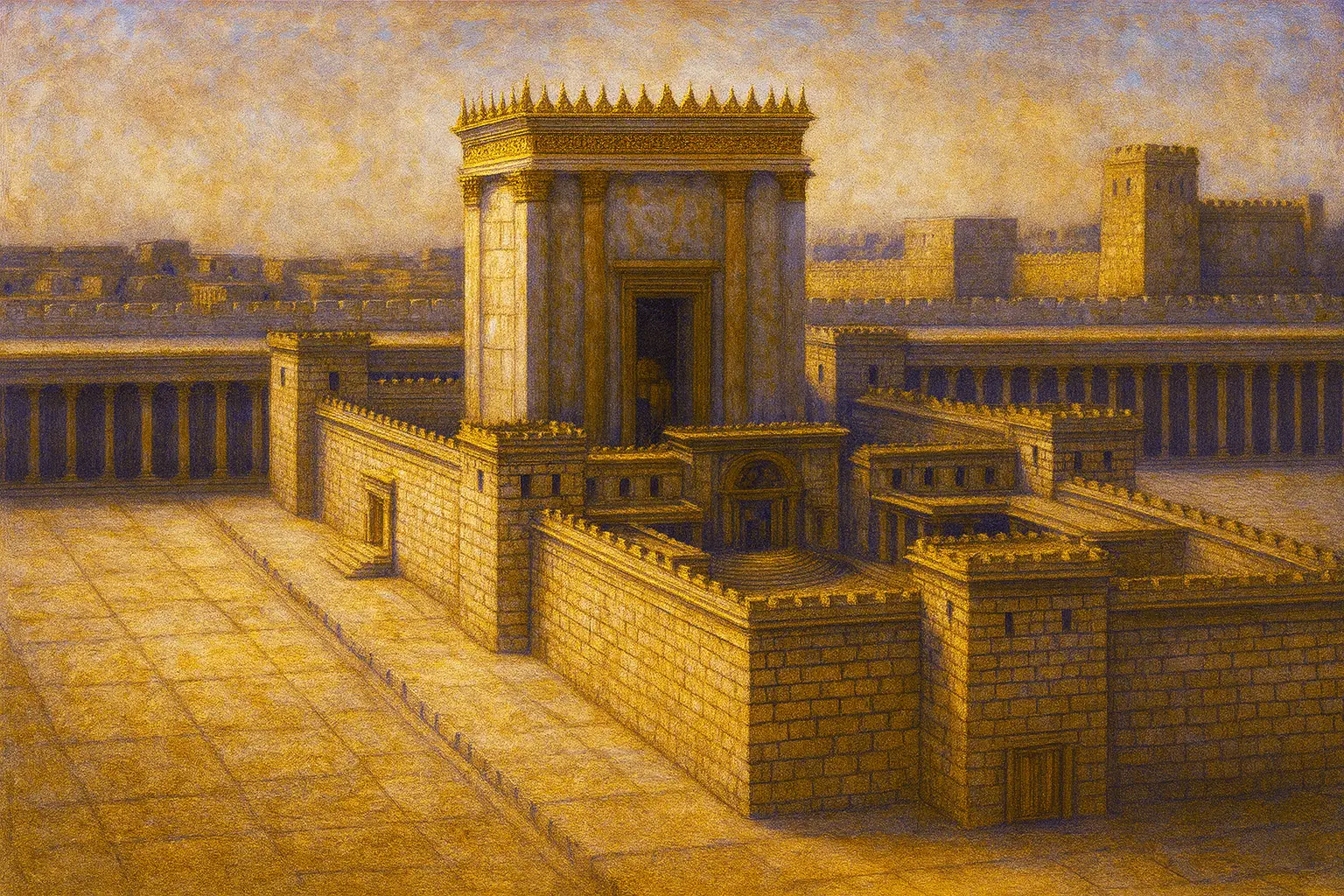
The Jerusalem Temple in the first century was the spiritual, cultural, and architectural heart of Jewish life, rebuilt by Herod into a magnificent complex that symbolized God’s presence, united a dispersed people, and ultimately became a focal point of both worship and conflict until its destruction in AD 70.
People, Places, and Things

The Temple in Jersualem

Looks like you don't have a membership. This contnet is limited to members.

Join the conversation and start understanding the Bible.

People, Places, and Things

The Ceremony of Circumcion

Jewish boys were circumcised on the eighth day as a commanded sign of God’s covenant with Abraham, marking their entry into the covenant community through a sacred ceremony where the child was named and blessed.

Tiberius Caesar

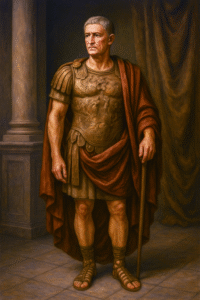
Tiberius Caesar was the Roman Emperor during Jesus’ ministry, whose reign provides a historical backdrop for key events in the New Testament, notably referenced in Luke as the time when John the Baptist began his ministry.

Herodias

Herodias—granddaughter of Herod the Great, mother of Salome, and later wife of Herod Antipas—used dynastic marriage to pursue rank in the early 1st century AD, provoked John the Baptist’s condemnation and death, and ultimately followed Antipas into exile in AD 39.

Days of Perification

In Luke 2, the days of purification reflect the First Century Jewish law requiring a mother’s ritual purification and the presentation of the firstborn male at the temple, demonstrating faithful observance of Mosaic customs.

Zechariah

Zechariah, a righteous priest and husband of Elizabeth, is struck mute for doubting the angel’s promise but regains his speech when he faithfully names his son John, proclaiming God’s salvation in the Gospel of Luke.

Caesar Augustus

In Luke’s Gospel, Caesar Augustus, Rome’s first emperor and bringer of the Pax Romana, is mentioned in connection with the census that brings Mary and Joseph to Bethlehem, highlighting how the emperor’s decree unknowingly fulfills God’s plan and contrasting Augustus’s claim to peace with the true peace brought by Jesus.