Days of Perification

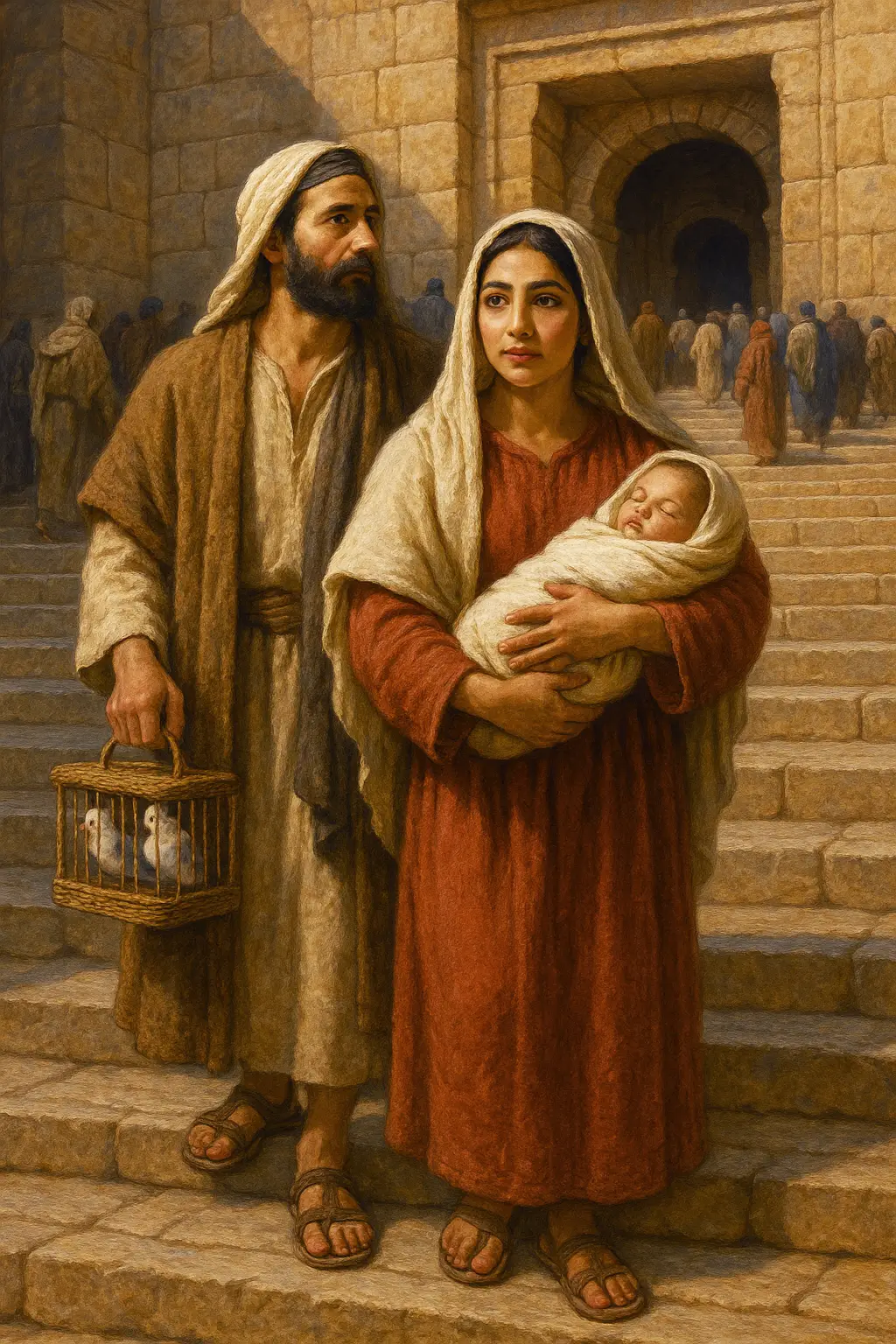
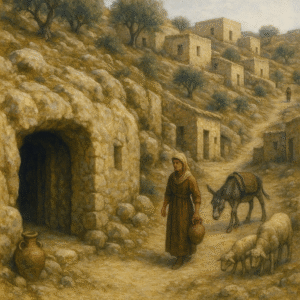
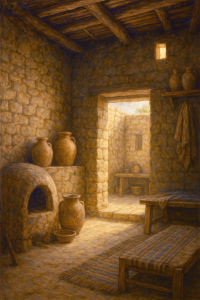
In Luke 2, the days of purification reflect the First Century Jewish law requiring a mother’s ritual purification and the presentation of the firstborn male at the temple, demonstrating faithful observance of Mosaic customs.

People, Places, and Things

Days of Perification

Looks like you don't have a membership. This contnet is limited to members.

Join the conversation and start understanding the Bible.

People, Places, and Things

Theophilus

Theophilus, likely a wealthy patron or high-ranking believer, is the person to whom Luke dedicates his Gospel and Acts, addressing him as “most excellent” and aiming to provide a well-ordered account to strengthen his faith.

Levi

In Luke’s Gospel, Jesus’ call of Levi the tax collector reveals His radical mission to welcome society’s outcasts, transforming even the most despised into disciples through mercy and table fellowship.

Caesar Augustus

In Luke’s Gospel, Caesar Augustus, Rome’s first emperor and bringer of the Pax Romana, is mentioned in connection with the census that brings Mary and Joseph to Bethlehem, highlighting how the emperor’s decree unknowingly fulfills God’s plan and contrasting Augustus’s claim to peace with the true peace brought by Jesus.

Passover

Passover is a key Jewish festival commemorating Israel’s deliverance from Egypt, centered on temple sacrifices and rituals, with Jews from across the region making annual pilgrimages to Jerusalem to observe the feast, which also symbolized hope for future redemption and was faithfully observed by Jesus and His family.

Herod Philip

Herod Philip the Tetrarch (4 BC–AD 34), son of Herod the Great, ruled peacefully over Ituraea and Trachonitis, is mentioned in the Gospel of Luke for historical context, and must be distinguished from his half-brother Philip I, the first husband of Herodias and father of Salome.

Mary (Mother of Jesus)

Mary, a humble Jewish woman from Nazareth, was divinely chosen to bear Jesus through the Holy Spirit, embodying faith and obedience within the cultural and religious context of first-century Judaism.