Herod Philip

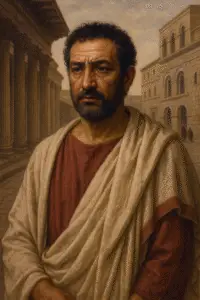
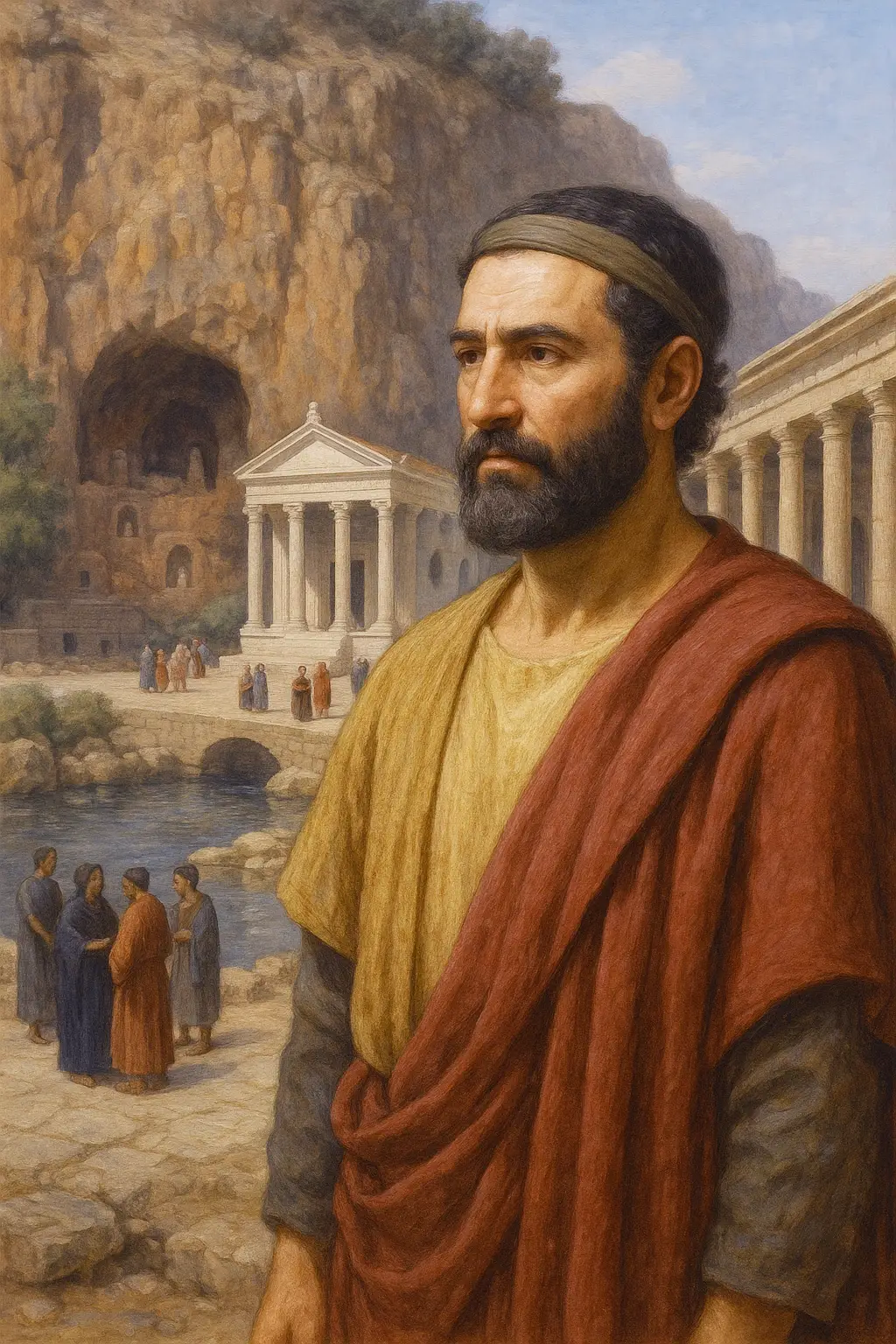
Herod Philip the Tetrarch (4 BC–AD 34), son of Herod the Great, ruled peacefully over Ituraea and Trachonitis, is mentioned in the Gospel of Luke for historical context, and must be distinguished from his half-brother Philip I, the first husband of Herodias and father of Salome.
People, Places, and Things

Herod Philip

Looks like you don't have a membership. This contnet is limited to members.

Join the conversation and start understanding the Bible.

People, Places, and Things

Tiberius Caesar

Tiberius Caesar was the Roman Emperor during Jesus’ ministry, whose reign provides a historical backdrop for key events in the New Testament, notably referenced in Luke as the time when John the Baptist began his ministry.

Caesar Augustus

In Luke’s Gospel, Caesar Augustus, Rome’s first emperor and bringer of the Pax Romana, is mentioned in connection with the census that brings Mary and Joseph to Bethlehem, highlighting how the emperor’s decree unknowingly fulfills God’s plan and contrasting Augustus’s claim to peace with the true peace brought by Jesus.

Scribes

In the first century, Jewish scribes were respected experts in the Law whose devotion to Scripture preserved Israel’s faith, yet in Luke’s Gospel they often clash with Jesus, revealing the tension between knowing the Law and recognizing the One who fulfills it.

Lysanias

Lysanias, tetrarch of Abilene in the early 1st century AD, was a minor ruler in the Anti-Lebanon region whose mention in the Gospel of Luke, later confirmed by inscriptions, anchors the gospel narrative firmly within Roman-era history.

Herodias

Herodias—granddaughter of Herod the Great, mother of Salome, and later wife of Herod Antipas—used dynastic marriage to pursue rank in the early 1st century AD, provoked John the Baptist’s condemnation and death, and ultimately followed Antipas into exile in AD 39.

Leprosy

In the Gospel of Luke, leprosy—once a condition demanding priestly examination, isolation, and ritual cleansing under Mosaic law—becomes a powerful sign of Jesus’ authority to restore both body and community, as he touches the unclean, heals them instantly, and fulfills the law’s promise of true purification.