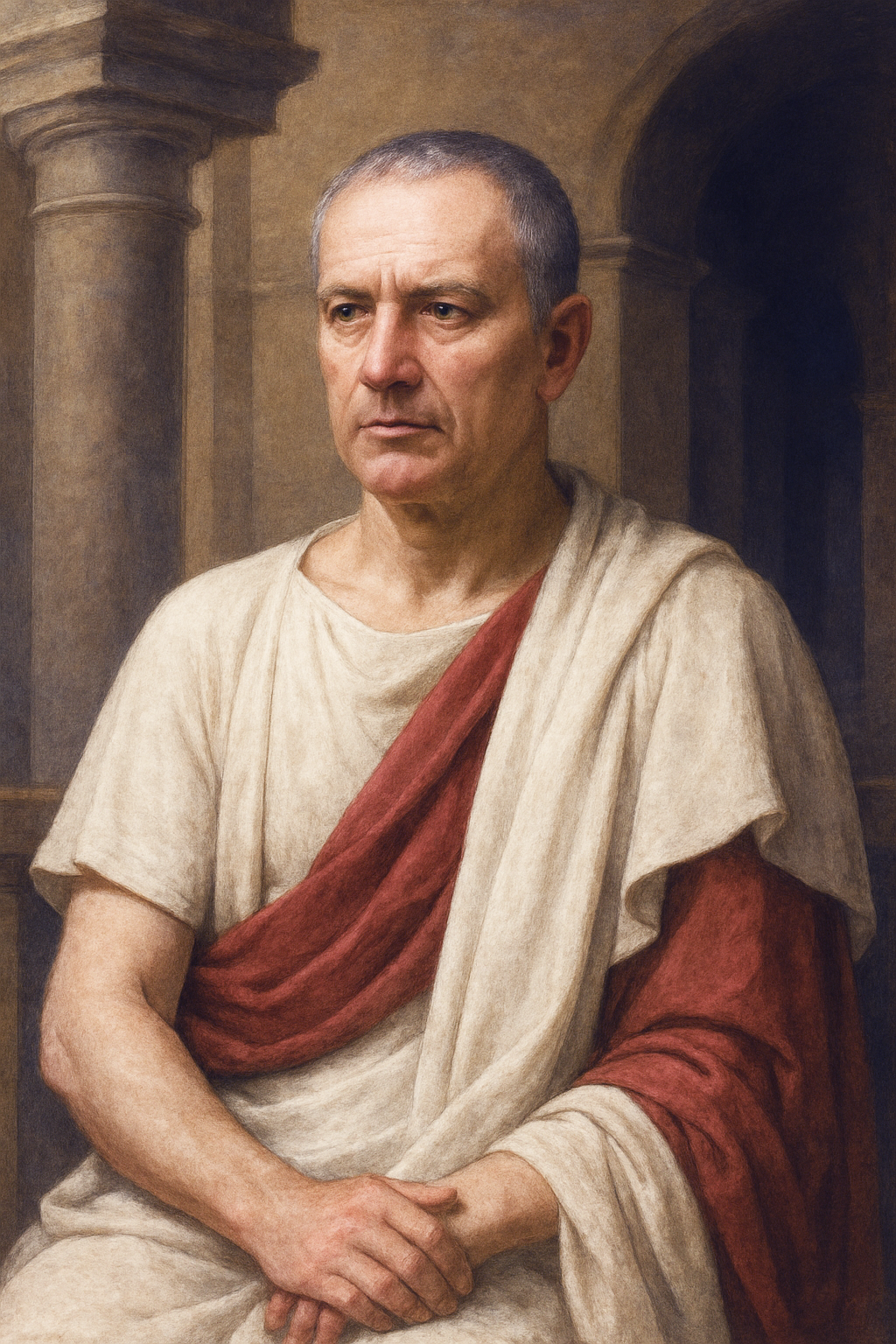
Quirinius (Governor of Syria)

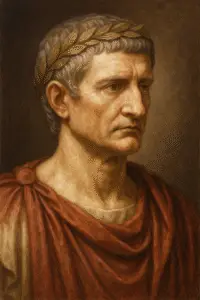
uirinius was the Roman governor of Syria known for conducting a census around AD 6, which plays a significant historical and theological role in Luke’s account of Jesus’ birth, illustrating God’s sovereignty working through Roman political events despite controversies over the timing and historical details.
People, Places, and Things

Quirinius (Governor of Syria)

Looks like you don't have a membership. This contnet is limited to members.

Join the conversation and start understanding the Bible.

People, Places, and Things

Leprosy

In the Gospel of Luke, leprosy—once a condition demanding priestly examination, isolation, and ritual cleansing under Mosaic law—becomes a powerful sign of Jesus’ authority to restore both body and community, as he touches the unclean, heals them instantly, and fulfills the law’s promise of true purification.

Joseph (Father of Jesus)

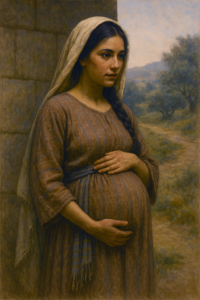
Joseph was righteous man from the house of David who traveled to Bethlehem with Mary, his pledged wife, and took care of Jesus as his earthly father after Jesus’ birth.

Tax Collectors

In the first century, tax collectors were despised as corrupt collaborators with Rome, yet in the Gospel story they become powerful symbols of repentance and God’s grace reaching even the most outcast.

Judean Wilderness

n Luke’s Gospel, the wilderness symbolizes a place of testing and preparation where Jesus, empowered by the Spirit, overcomes temptation and begins his mission to proclaim God’s kingdom, highlighting reliance on God and spiritual authority.

Zechariah

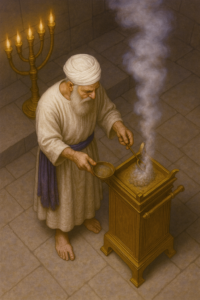
Zechariah, a righteous priest and husband of Elizabeth, is struck mute for doubting the angel’s promise but regains his speech when he faithfully names his son John, proclaiming God’s salvation in the Gospel of Luke.

Jerusalem

In the first century, Jerusalem was the religious and cultural heart of Judaism, the political flashpoint of Roman-occupied Judea, and the pivotal stage for events that shaped both Jewish and Christian history.