Judean Wilderness

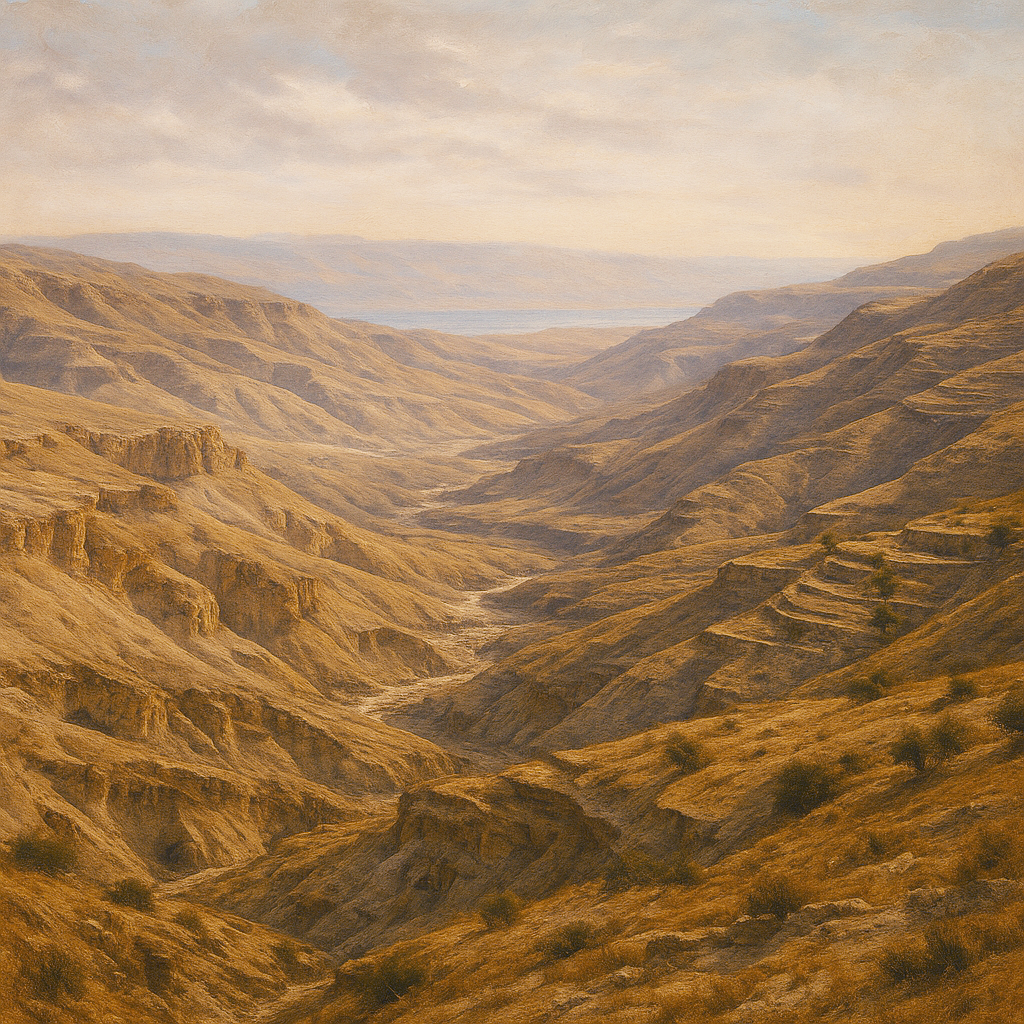
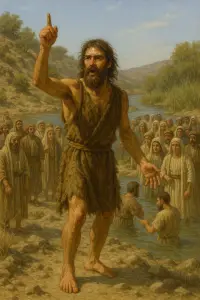
n Luke’s Gospel, the wilderness symbolizes a place of testing and preparation where Jesus, empowered by the Spirit, overcomes temptation and begins his mission to proclaim God’s kingdom, highlighting reliance on God and spiritual authority.

People, Places, and Things

Judean Wilderness

Looks like you don't have a membership. This contnet is limited to members.

Join the conversation and start understanding the Bible.

People, Places, and Things

Simeon

Simeon in Luke is a faithful, Spirit-led servant who recognizes Jesus as the promised Messiah, proclaiming salvation and foretelling the challenges to come.

Caesar Augustus

In Luke’s Gospel, Caesar Augustus, Rome’s first emperor and bringer of the Pax Romana, is mentioned in connection with the census that brings Mary and Joseph to Bethlehem, highlighting how the emperor’s decree unknowingly fulfills God’s plan and contrasting Augustus’s claim to peace with the true peace brought by Jesus.

Herod Philip

Herod Philip the Tetrarch (4 BC–AD 34), son of Herod the Great, ruled peacefully over Ituraea and Trachonitis, is mentioned in the Gospel of Luke for historical context, and must be distinguished from his half-brother Philip I, the first husband of Herodias and father of Salome.

Galilee

Galilee in the first century was a diverse, politically marginal region in northern Israel under Herod Antipas, known for its rural Jewish communities, mixed populations, and as the primary area of Jesus’ ministry emphasizing compassion and inclusion.

Jerusalem

In the first century, Jerusalem was the religious and cultural heart of Judaism, the political flashpoint of Roman-occupied Judea, and the pivotal stage for events that shaped both Jewish and Christian history.

Anna

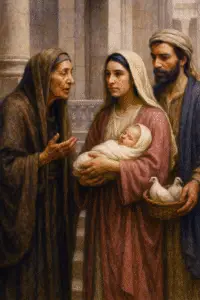
nna, a devout and elderly prophetess in the Gospel of Luke, faithfully worshiped in the temple and joyfully proclaimed Jesus as the Messiah upon recognizing Him at His presentation.