Leprosy

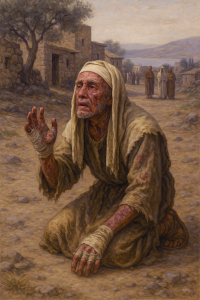
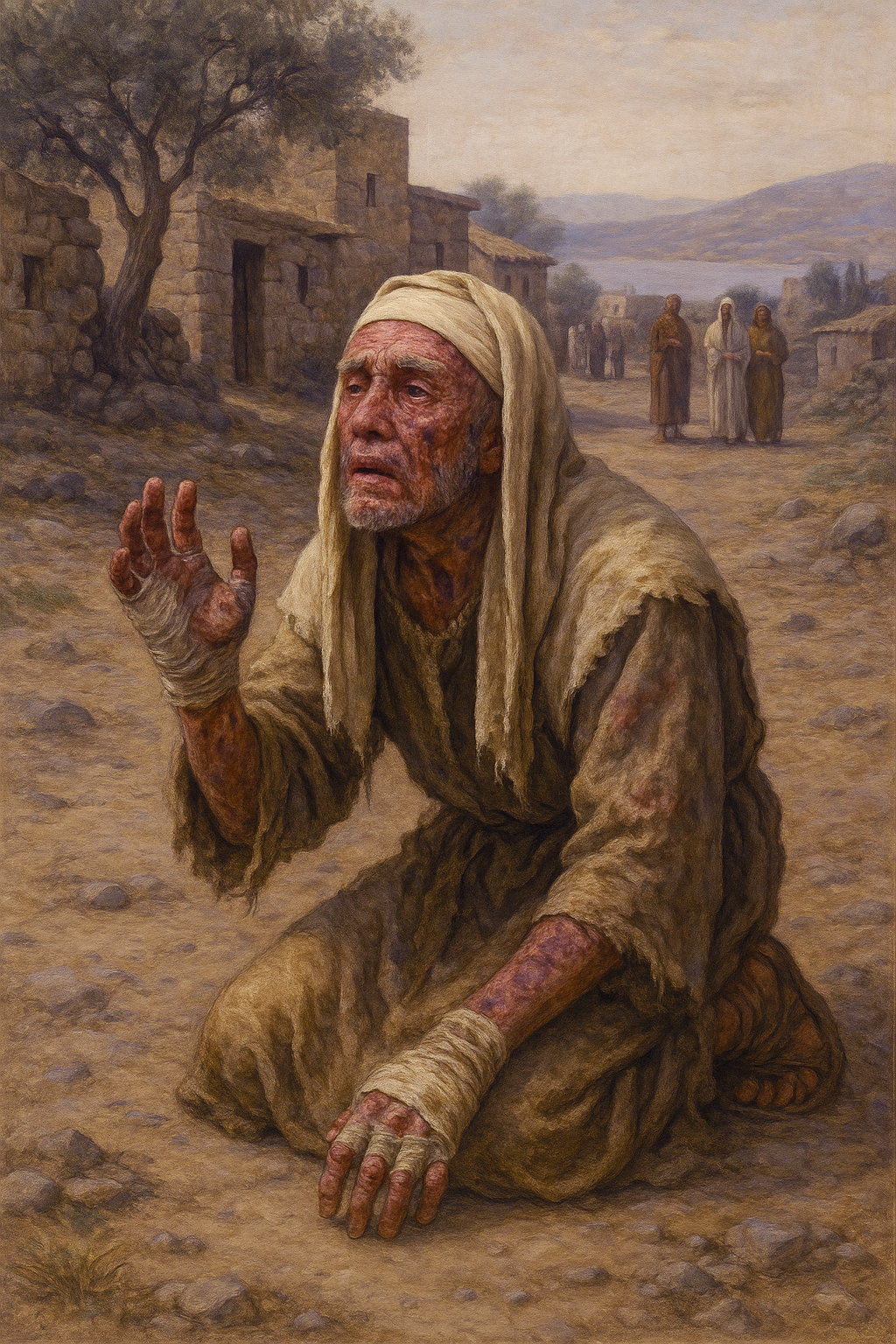
In the Gospel of Luke, leprosy—once a condition demanding priestly examination, isolation, and ritual cleansing under Mosaic law—becomes a powerful sign of Jesus’ authority to restore both body and community, as he touches the unclean, heals them instantly, and fulfills the law’s promise of true purification.
People, Places, and Things

Leprosy

Looks like you don't have a membership. This contnet is limited to members.

Join the conversation and start understanding the Bible.

People, Places, and Things

The Sacrifice of Incense

The sacrifice of incense was a daily temple ritual where priests burned a holy blend of spices on the altar of incense, symbolizing the prayers of the people rising to God.

Judea

Judea is the central setting of God’s redemptive story in the Bible, serving as the heart of Jewish worship, prophecy, and history, and the place where key events of Jesus’ life, ministry, death, and resurrection unfolded.

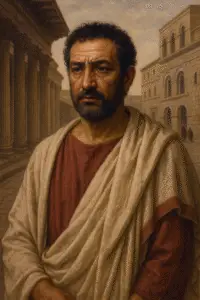
Tax Collectors

In the first century, tax collectors were despised as corrupt collaborators with Rome, yet in the Gospel story they become powerful symbols of repentance and God’s grace reaching even the most outcast.

Synagogues

A synagogue was a local Jewish community center for worship, Scripture reading, and teaching, playing a vital role in religious and social life during Jesus’ time.

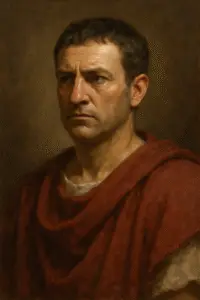
Tiberius Caesar

Tiberius Caesar was the Roman Emperor during Jesus’ ministry, whose reign provides a historical backdrop for key events in the New Testament, notably referenced in Luke as the time when John the Baptist began his ministry.

Gabriel

Gabriel in Luke 1 is the angelic messenger who stands in God’s presence, sent by God to announce and fulfill the divine plan of salvation through the births of John the Baptist and Jesus Christ.