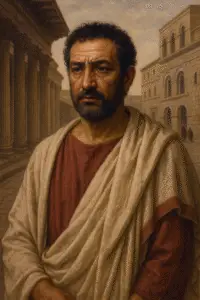
Herodias

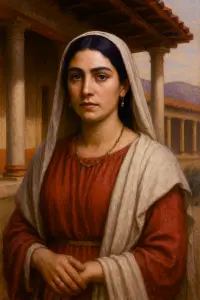
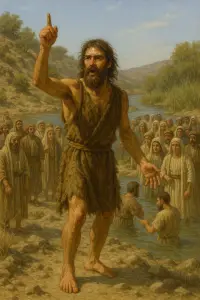
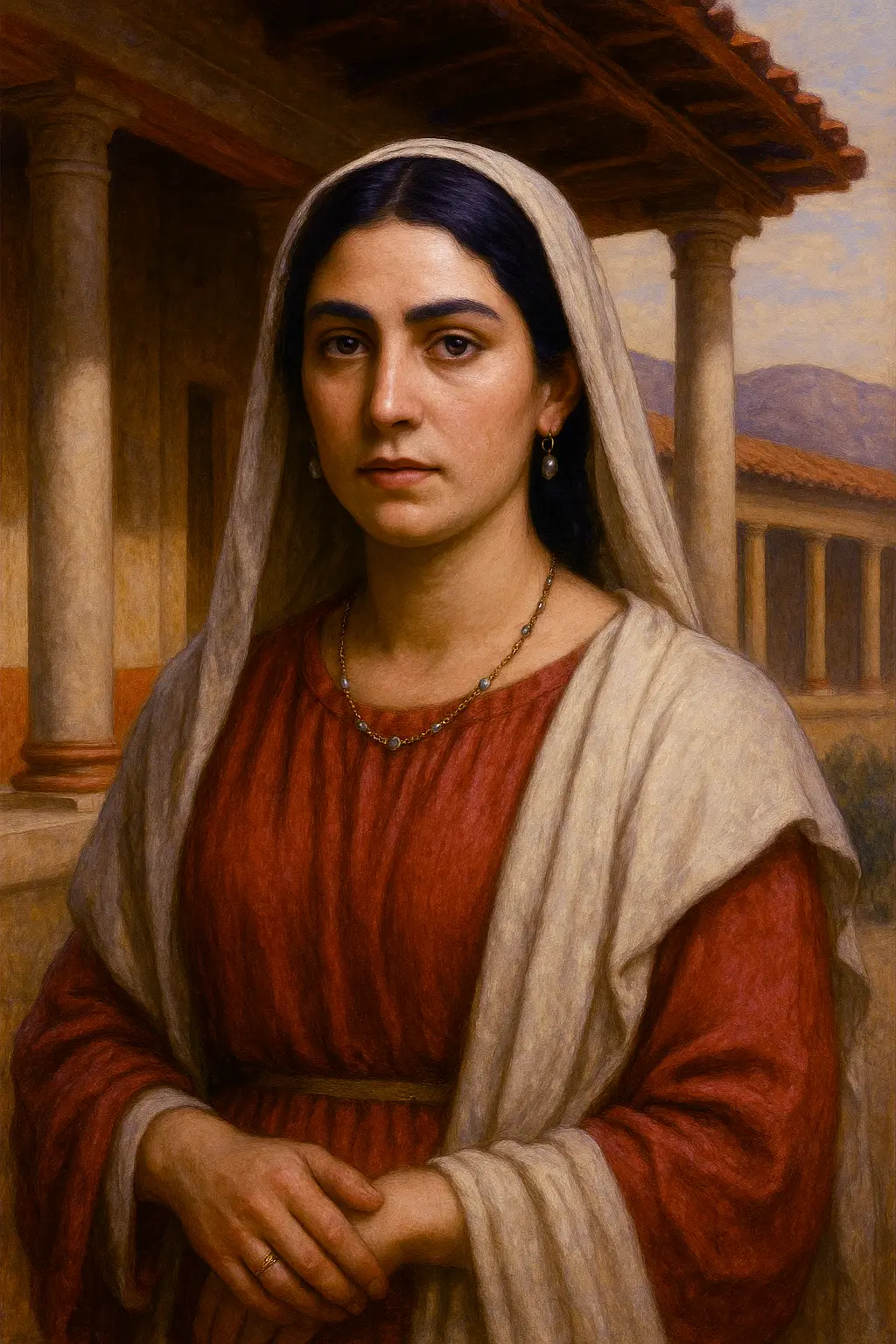
Herodias—granddaughter of Herod the Great, mother of Salome, and later wife of Herod Antipas—used dynastic marriage to pursue rank in the early 1st century AD, provoked John the Baptist’s condemnation and death, and ultimately followed Antipas into exile in AD 39.
People, Places, and Things

Herodias

Looks like you don't have a membership. This contnet is limited to members.

Join the conversation and start understanding the Bible.

People, Places, and Things

Mary (Mother of Jesus)

Mary, a humble Jewish woman from Nazareth, was divinely chosen to bear Jesus through the Holy Spirit, embodying faith and obedience within the cultural and religious context of first-century Judaism.

Herod Antipas

Herod Antipas was the tetrarch of Galilee and Perea in the First Century, known for his political rule under Roman authority, his role in the imprisonment and execution of John the Baptist, and his involvement in the trial of Jesus as recorded in the New Testament.

Jordan River

The Jordan River is the Bible’s sacred threshold—where God turns wandering into inheritance and old life into new—from Israel’s crossing under Joshua (c. 13th century BC) to Jesus’s baptism (early 1st century AD).

Potius Pilate

Pontius Pilate was the Roman prefect governing Judea during Jesus’ ministry, responsible for maintaining order and overseeing Jesus’ trial and crucifixion under Roman authority.

Theophilus

Theophilus, likely a wealthy patron or high-ranking believer, is the person to whom Luke dedicates his Gospel and Acts, addressing him as “most excellent” and aiming to provide a well-ordered account to strengthen his faith.

The Lake of Gennesaret

In the first century AD, the Lake of Gennesaret—also known as the Sea of Galilee—was a fertile, storm-prone freshwater lake that served as the economic and spiritual heart of Galilee, supporting thriving fishing towns like Capernaum and providing the setting for many key events in Jesus’ ministry.