Pharisees

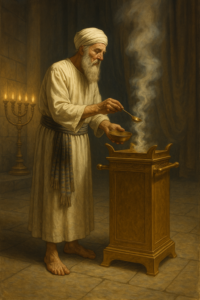
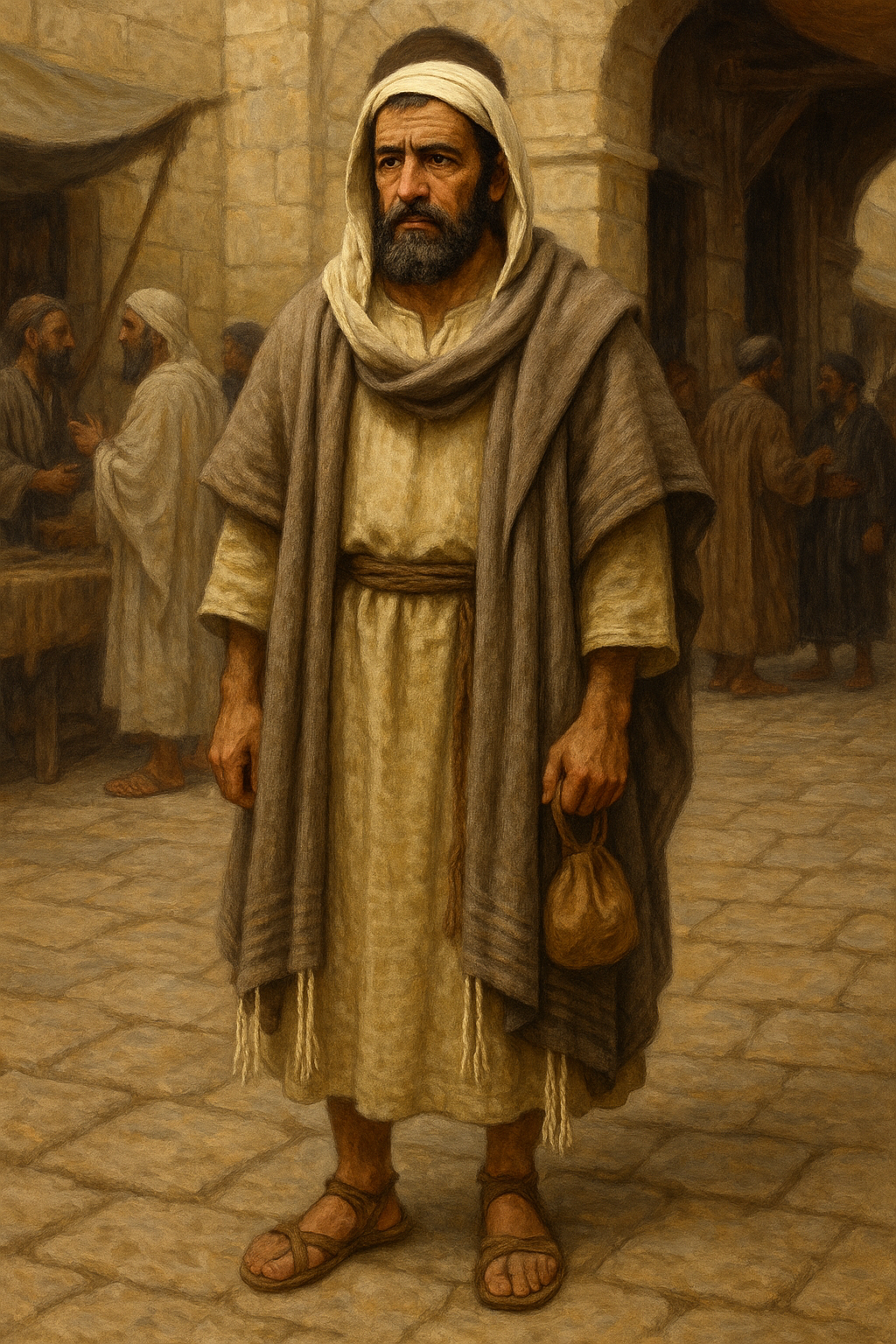
The Pharisees in the first century were a respected Jewish religious group known for their strict adherence to the full Hebrew scriptures, oral traditions, belief in resurrection, and influence among the common people, yet they faced criticism from Jesus for elevating human traditions over God’s commandments.
People, Places, and Things

Pharisees

Looks like you don't have a membership. This contnet is limited to members.

Join the conversation and start understanding the Bible.

People, Places, and Things

Herod Philip

Herod Philip the Tetrarch (4 BC–AD 34), son of Herod the Great, ruled peacefully over Ituraea and Trachonitis, is mentioned in the Gospel of Luke for historical context, and must be distinguished from his half-brother Philip I, the first husband of Herodias and father of Salome.

Judea

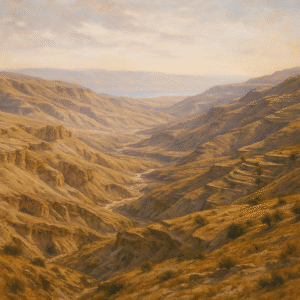
Judea is the central setting of God’s redemptive story in the Bible, serving as the heart of Jewish worship, prophecy, and history, and the place where key events of Jesus’ life, ministry, death, and resurrection unfolded.

Jerusalem

In the first century, Jerusalem was the religious and cultural heart of Judaism, the political flashpoint of Roman-occupied Judea, and the pivotal stage for events that shaped both Jewish and Christian history.

Jordan River

The Jordan River is the Bible’s sacred threshold—where God turns wandering into inheritance and old life into new—from Israel’s crossing under Joshua (c. 13th century BC) to Jesus’s baptism (early 1st century AD).

Anna

nna, a devout and elderly prophetess in the Gospel of Luke, faithfully worshiped in the temple and joyfully proclaimed Jesus as the Messiah upon recognizing Him at His presentation.

Mary (Mother of Jesus)

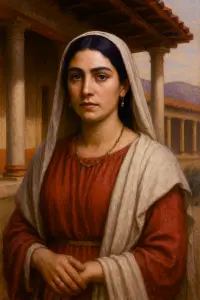
Mary, a humble Jewish woman from Nazareth, was divinely chosen to bear Jesus through the Holy Spirit, embodying faith and obedience within the cultural and religious context of first-century Judaism.