Theophilus

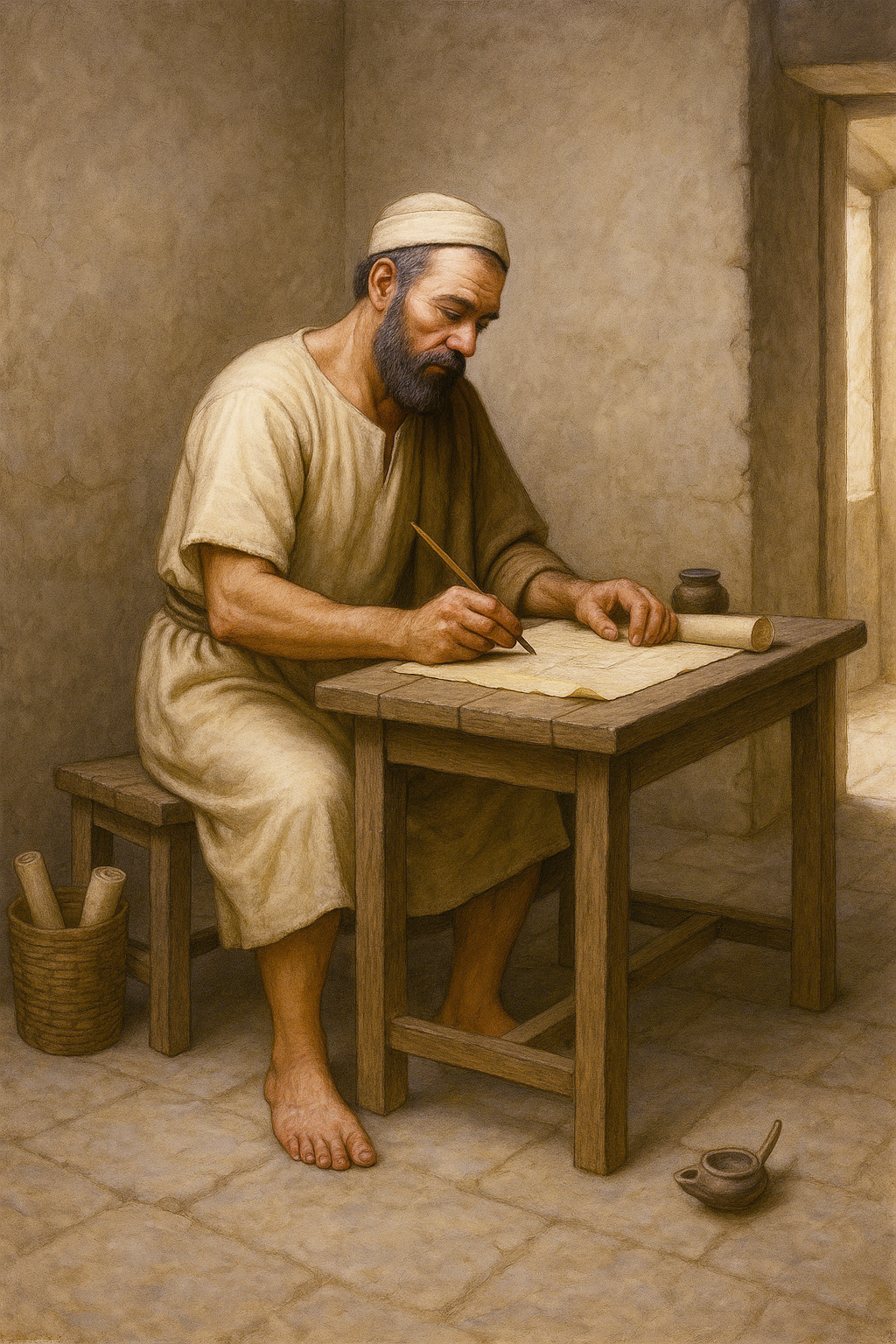
Theophilus, likely a wealthy patron or high-ranking believer, is the person to whom Luke dedicates his Gospel and Acts, addressing him as “most excellent” and aiming to provide a well-ordered account to strengthen his faith.

People, Places, and Things

Theophilus

Looks like you don't have a membership. This contnet is limited to members.

Join the conversation and start understanding the Bible.

People, Places, and Things

Herodias

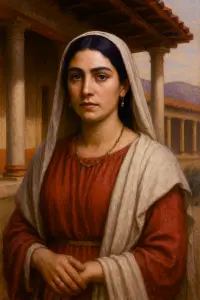
Herodias—granddaughter of Herod the Great, mother of Salome, and later wife of Herod Antipas—used dynastic marriage to pursue rank in the early 1st century AD, provoked John the Baptist’s condemnation and death, and ultimately followed Antipas into exile in AD 39.

Leprosy

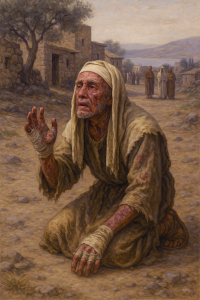
In the Gospel of Luke, leprosy—once a condition demanding priestly examination, isolation, and ritual cleansing under Mosaic law—becomes a powerful sign of Jesus’ authority to restore both body and community, as he touches the unclean, heals them instantly, and fulfills the law’s promise of true purification.

Elizabeth

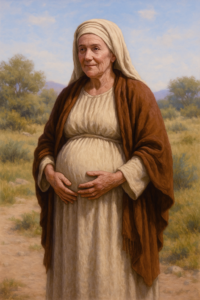
Elizabeth, the righteous and faithful wife of Zechariah, is the mother of John the Baptist, whose miraculous late-in-life pregnancy testifies to God’s power and faithfulness in preparing the way for Jesus.

Nazareth

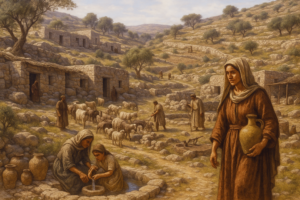
Nazareth in the first century was a small, humble village in Galilee known as the hometown of Jesus, where he was raised and began his public ministry.

Judean Wilderness

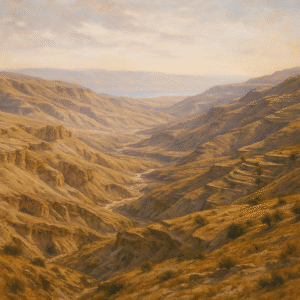
n Luke’s Gospel, the wilderness symbolizes a place of testing and preparation where Jesus, empowered by the Spirit, overcomes temptation and begins his mission to proclaim God’s kingdom, highlighting reliance on God and spiritual authority.

Tax Collectors

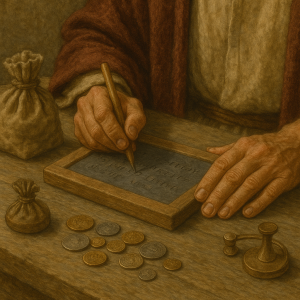
In the first century, tax collectors were despised as corrupt collaborators with Rome, yet in the Gospel story they become powerful symbols of repentance and God’s grace reaching even the most outcast.