Tax Collectors

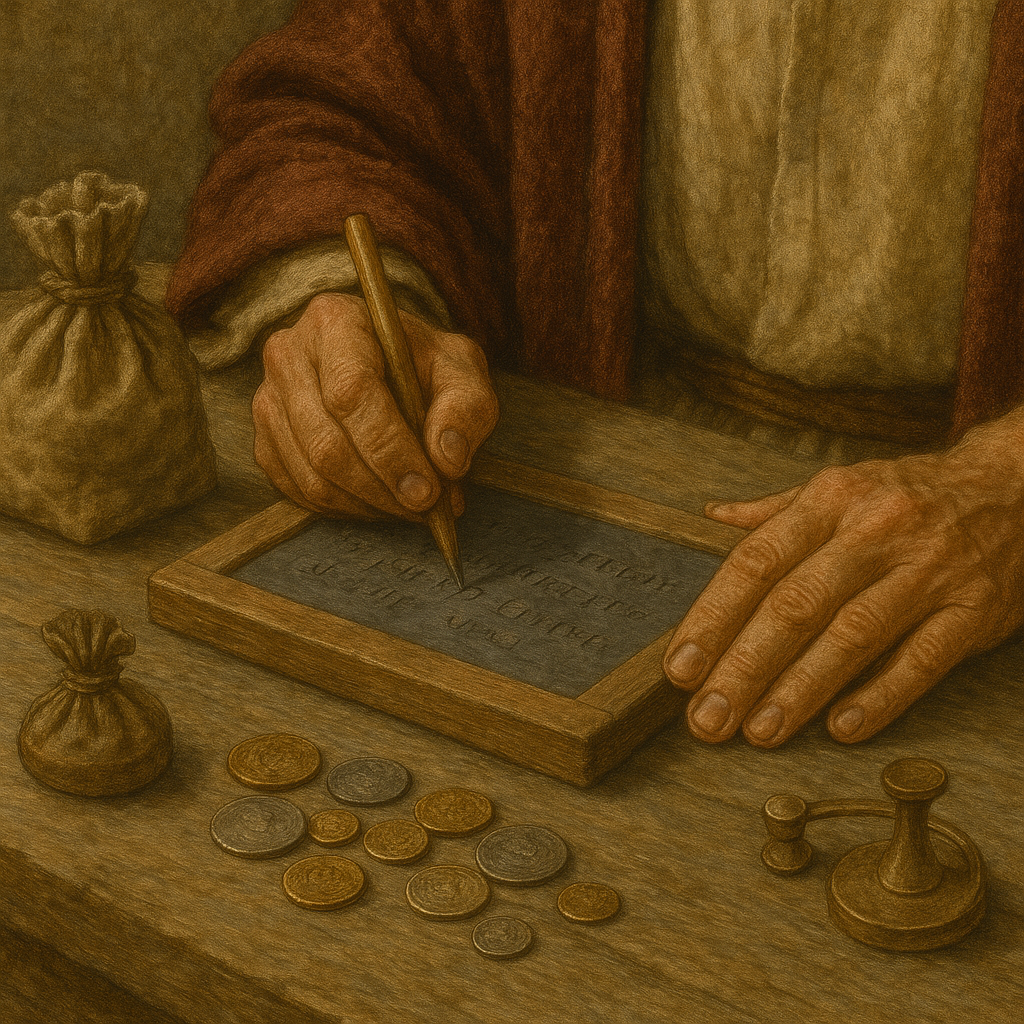
In the first century, tax collectors were despised as corrupt collaborators with Rome, yet in the Gospel story they become powerful symbols of repentance and God’s grace reaching even the most outcast.

People, Places, and Things

Tax Collectors

Looks like you don't have a membership. This contnet is limited to members.

Join the conversation and start understanding the Bible.

People, Places, and Things

Jordan River

The Jordan River is the Bible’s sacred threshold—where God turns wandering into inheritance and old life into new—from Israel’s crossing under Joshua (c. 13th century BC) to Jesus’s baptism (early 1st century AD).

Mary (Mother of Jesus)

Mary, a humble Jewish woman from Nazareth, was divinely chosen to bear Jesus through the Holy Spirit, embodying faith and obedience within the cultural and religious context of first-century Judaism.

Days of Perification

In Luke 2, the days of purification reflect the First Century Jewish law requiring a mother’s ritual purification and the presentation of the firstborn male at the temple, demonstrating faithful observance of Mosaic customs.

The Lake of Gennesaret

In the first century AD, the Lake of Gennesaret—also known as the Sea of Galilee—was a fertile, storm-prone freshwater lake that served as the economic and spiritual heart of Galilee, supporting thriving fishing towns like Capernaum and providing the setting for many key events in Jesus’ ministry.

Levi

In Luke’s Gospel, Jesus’ call of Levi the tax collector reveals His radical mission to welcome society’s outcasts, transforming even the most despised into disciples through mercy and table fellowship.

Capernaum

Capernaum was a working-class Jewish village on the northern shore of the Sea of Galilee that served as Jesus’ primary base for ministry, featuring a significant synagogue where He taught and performed miracles amid a community facing spiritual conflict and social challenges.