Mary (Mother of Jesus)

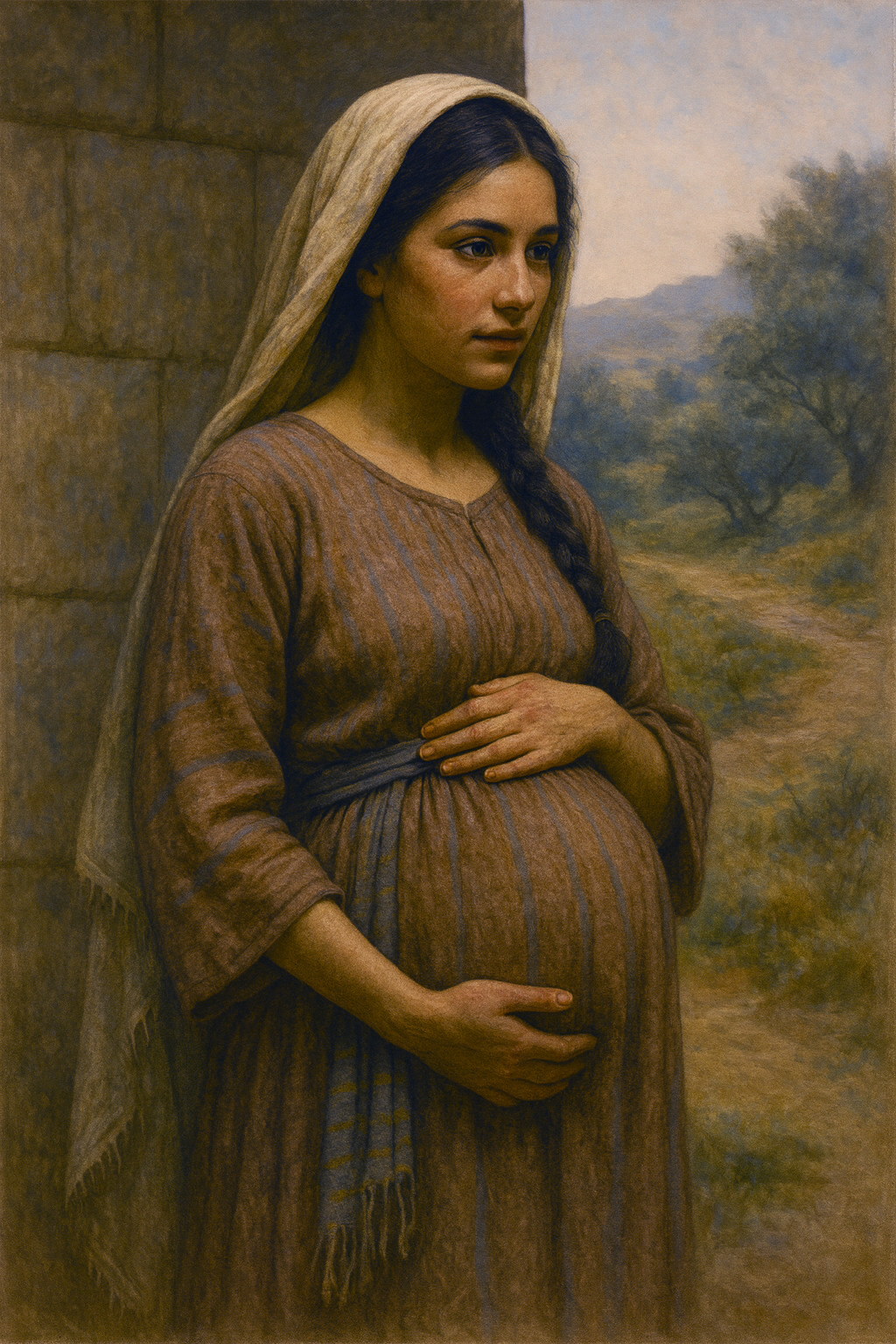
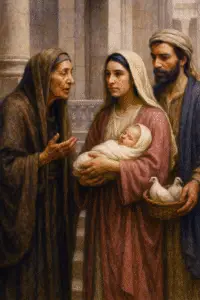
Mary, a humble Jewish woman from Nazareth, was divinely chosen to bear Jesus through the Holy Spirit, embodying faith and obedience within the cultural and religious context of first-century Judaism.

People, Places, and Things

Mary (Mother of Jesus)

Looks like you don't have a membership. This contnet is limited to members.

Join the conversation and start understanding the Bible.

People, Places, and Things

Judean Wilderness

n Luke’s Gospel, the wilderness symbolizes a place of testing and preparation where Jesus, empowered by the Spirit, overcomes temptation and begins his mission to proclaim God’s kingdom, highlighting reliance on God and spiritual authority.

Tax Collectors

In the first century, tax collectors were despised as corrupt collaborators with Rome, yet in the Gospel story they become powerful symbols of repentance and God’s grace reaching even the most outcast.

Lysanias

Lysanias, tetrarch of Abilene in the early 1st century AD, was a minor ruler in the Anti-Lebanon region whose mention in the Gospel of Luke, later confirmed by inscriptions, anchors the gospel narrative firmly within Roman-era history.

Pharisees

The Pharisees in the first century were a respected Jewish religious group known for their strict adherence to the full Hebrew scriptures, oral traditions, belief in resurrection, and influence among the common people, yet they faced criticism from Jesus for elevating human traditions over God’s commandments.

Mary (Mother of Jesus)

Mary, a humble Jewish woman from Nazareth, was divinely chosen to bear Jesus through the Holy Spirit, embodying faith and obedience within the cultural and religious context of first-century Judaism.

Leprosy

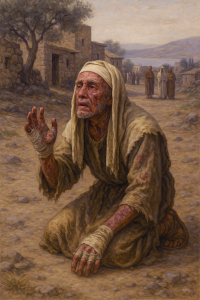
In the Gospel of Luke, leprosy—once a condition demanding priestly examination, isolation, and ritual cleansing under Mosaic law—becomes a powerful sign of Jesus’ authority to restore both body and community, as he touches the unclean, heals them instantly, and fulfills the law’s promise of true purification.