Jerusalem

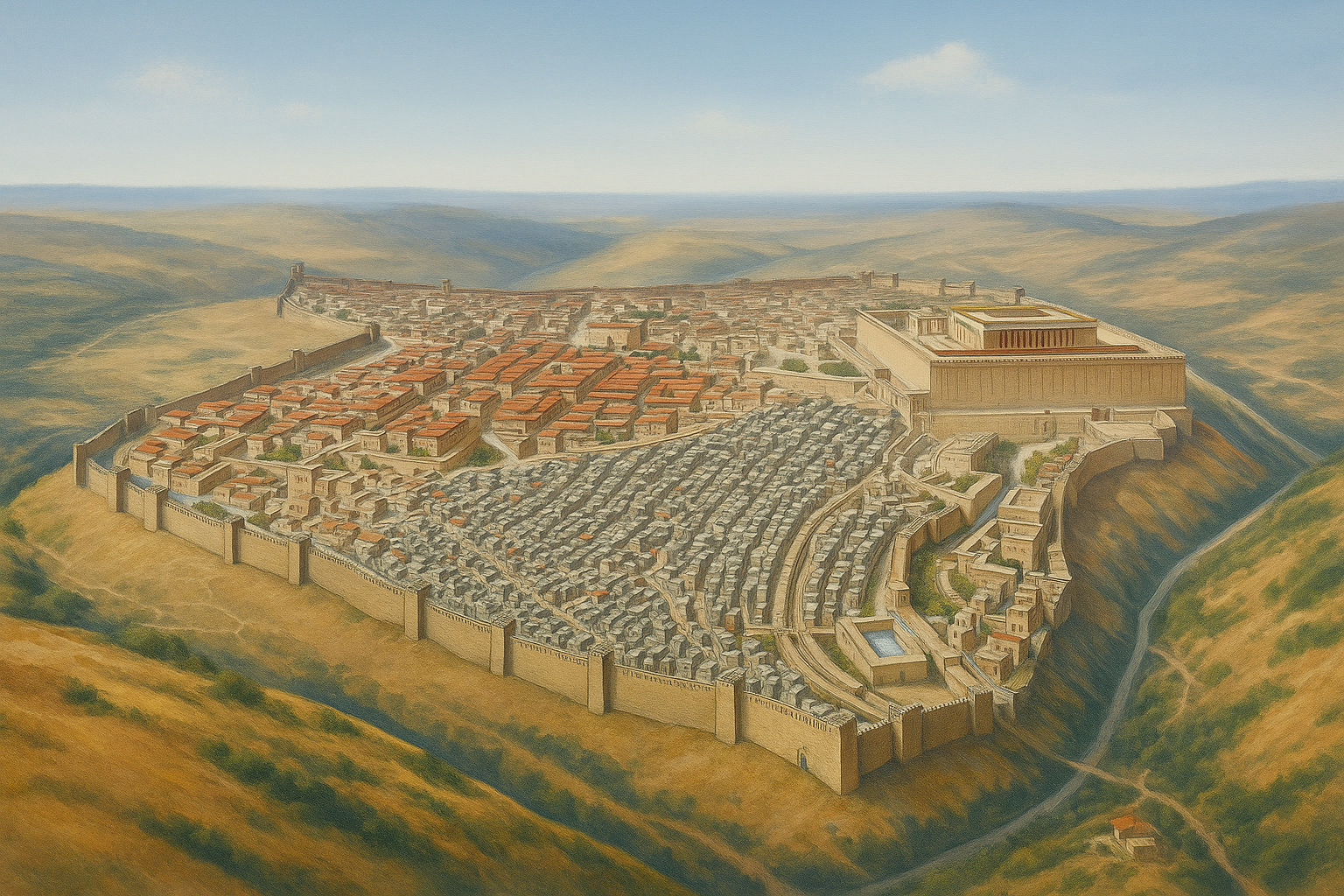
In the first century, Jerusalem was the religious and cultural heart of Judaism, the political flashpoint of Roman-occupied Judea, and the pivotal stage for events that shaped both Jewish and Christian history.

People, Places, and Things

Jerusalem

Looks like you don't have a membership. This contnet is limited to members.

Join the conversation and start understanding the Bible.

People, Places, and Things

Mary (Mother of Jesus)

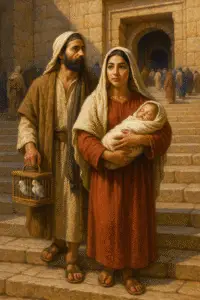
Mary, a humble Jewish woman from Nazareth, was divinely chosen to bear Jesus through the Holy Spirit, embodying faith and obedience within the cultural and religious context of first-century Judaism.

Quirinius (Governor of Syria)

uirinius was the Roman governor of Syria known for conducting a census around AD 6, which plays a significant historical and theological role in Luke’s account of Jesus’ birth, illustrating God’s sovereignty working through Roman political events despite controversies over the timing and historical details.

Zechariah

Zechariah, a righteous priest and husband of Elizabeth, is struck mute for doubting the angel’s promise but regains his speech when he faithfully names his son John, proclaiming God’s salvation in the Gospel of Luke.

Levi

In Luke’s Gospel, Jesus’ call of Levi the tax collector reveals His radical mission to welcome society’s outcasts, transforming even the most despised into disciples through mercy and table fellowship.

Nazareth

Nazareth in the first century was a small, humble village in Galilee known as the hometown of Jesus, where he was raised and began his public ministry.

Galilee

Galilee in the first century was a diverse, politically marginal region in northern Israel under Herod Antipas, known for its rural Jewish communities, mixed populations, and as the primary area of Jesus’ ministry emphasizing compassion and inclusion.