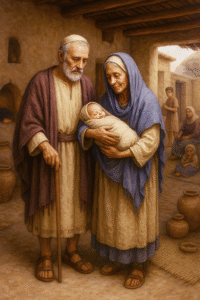
Levi

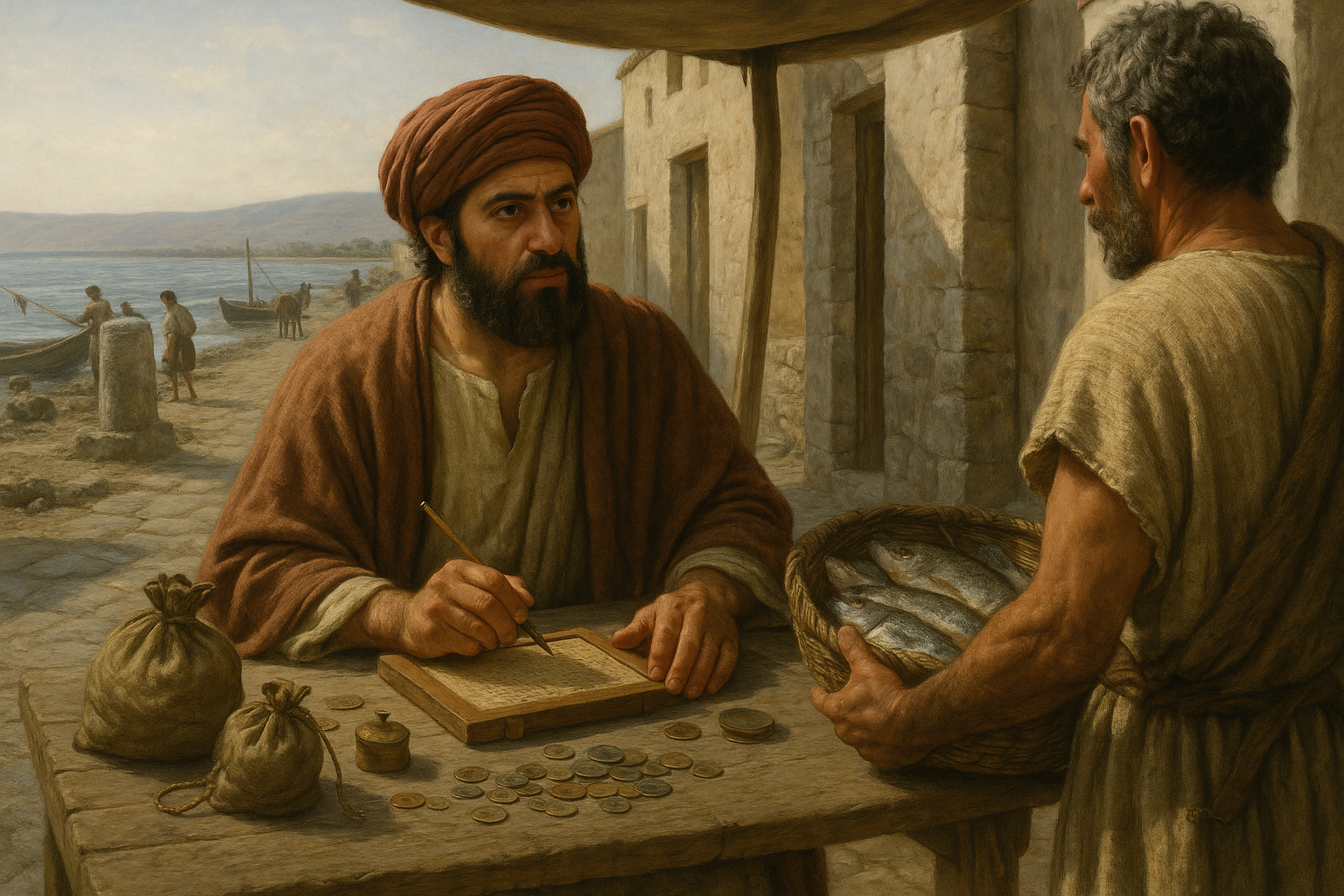
In Luke’s Gospel, Jesus’ call of Levi the tax collector reveals His radical mission to welcome society’s outcasts, transforming even the most despised into disciples through mercy and table fellowship.

People, Places, and Things

Levi

Looks like you don't have a membership. This contnet is limited to members.

Join the conversation and start understanding the Bible.

People, Places, and Things

The Lake of Gennesaret

In the first century AD, the Lake of Gennesaret—also known as the Sea of Galilee—was a fertile, storm-prone freshwater lake that served as the economic and spiritual heart of Galilee, supporting thriving fishing towns like Capernaum and providing the setting for many key events in Jesus’ ministry.

Tiberius Caesar

Tiberius Caesar was the Roman Emperor during Jesus’ ministry, whose reign provides a historical backdrop for key events in the New Testament, notably referenced in Luke as the time when John the Baptist began his ministry.

Houses (Jewish)

First-century Jewish homes in Galilee were modest, stone-built dwellings centered on family life, purity practices, and hospitality—simple yet deeply woven into the social and spiritual world reflected in the Gospel of Luke.

Joseph (Father of Jesus)

Joseph was righteous man from the house of David who traveled to Bethlehem with Mary, his pledged wife, and took care of Jesus as his earthly father after Jesus’ birth.

Bethlehem

Bethlehem in the first century was a small, humble town in Judea known as the city of David, historically and prophetically significant as the prophesied birthplace of the Messiah, which Luke highlights to show Jesus’ fulfillment of Old Testament promises through His birth in this modest setting.

Annas and Caiaphas

Annas and Caiaphas, a powerful father-in-law and son-in-law duo who dominated the high priesthood in first-century Judea, embody how Rome’s occupation turned a sacred office into a tool of political control, with their influence culminating in the trial and crucifixion of Jesus.