Leprosy

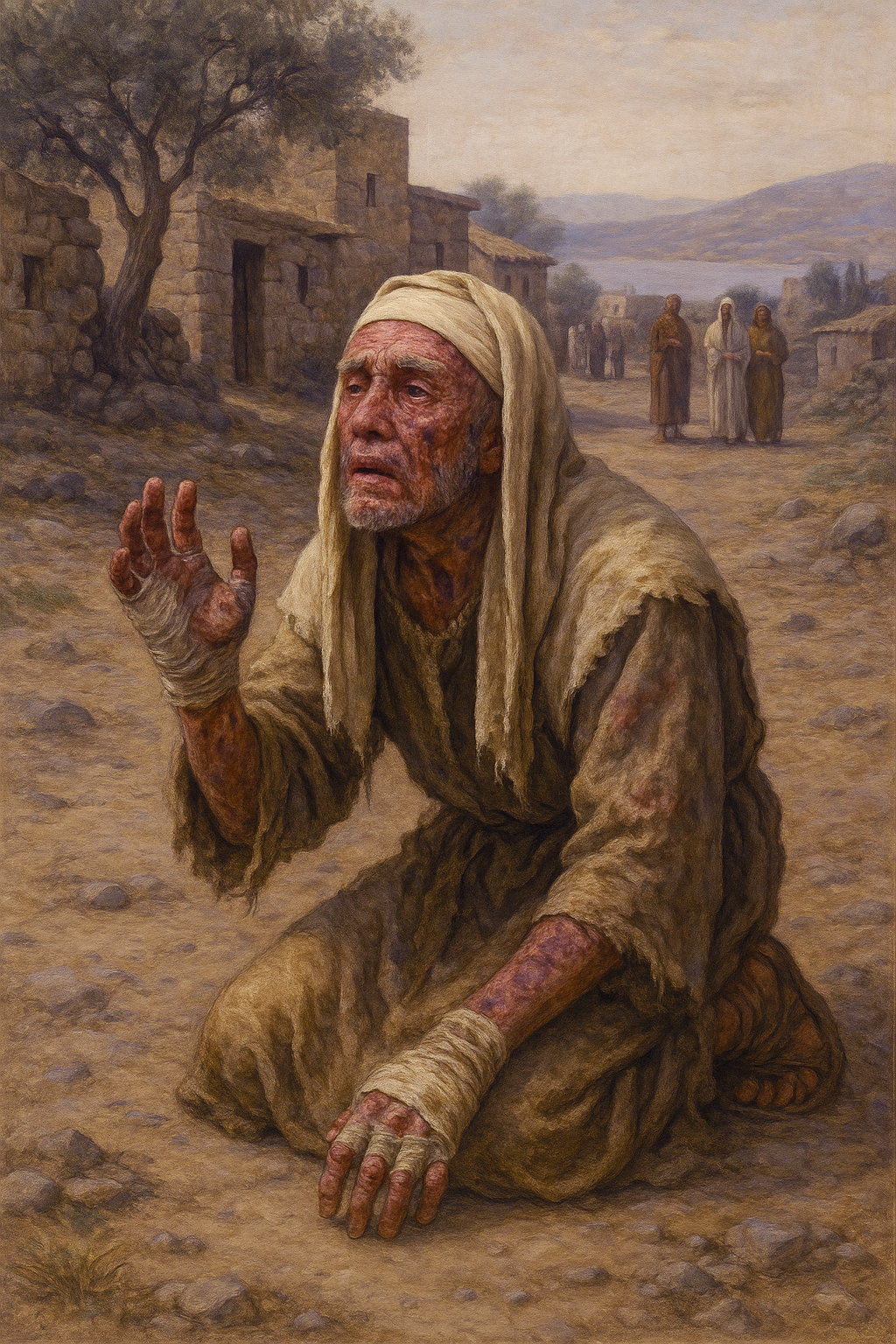
In the Gospel of Luke, leprosy—once a condition demanding priestly examination, isolation, and ritual cleansing under Mosaic law—becomes a powerful sign of Jesus’ authority to restore both body and community, as he touches the unclean, heals them instantly, and fulfills the law’s promise of true purification.
People, Places, and Things

Leprosy

Looks like you don't have a membership. This contnet is limited to members.

Join the conversation and start understanding the Bible.

People, Places, and Things

Judea

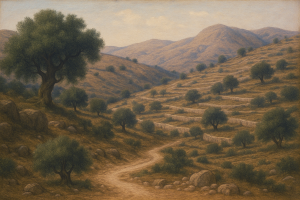
Judea is the central setting of God’s redemptive story in the Bible, serving as the heart of Jewish worship, prophecy, and history, and the place where key events of Jesus’ life, ministry, death, and resurrection unfolded.

John the Baptist

John the Baptist, emerging from humble origins and the wilderness, ministers a call to repentance and baptism, preparing the way for Jesus and the coming kingdom of God.

Scribes

In the first century, Jewish scribes were respected experts in the Law whose devotion to Scripture preserved Israel’s faith, yet in Luke’s Gospel they often clash with Jesus, revealing the tension between knowing the Law and recognizing the One who fulfills it.

Herod the Great

Herod the Great was the Roman-appointed king of Judea known for his grand building projects and ruthless rule, including the infamous massacre of infants in Bethlehem.

Elizabeth

Elizabeth, the righteous and faithful wife of Zechariah, is the mother of John the Baptist, whose miraculous late-in-life pregnancy testifies to God’s power and faithfulness in preparing the way for Jesus.

Herod Antipas

Herod Antipas was the tetrarch of Galilee and Perea in the First Century, known for his political rule under Roman authority, his role in the imprisonment and execution of John the Baptist, and his involvement in the trial of Jesus as recorded in the New Testament.