Capernaum

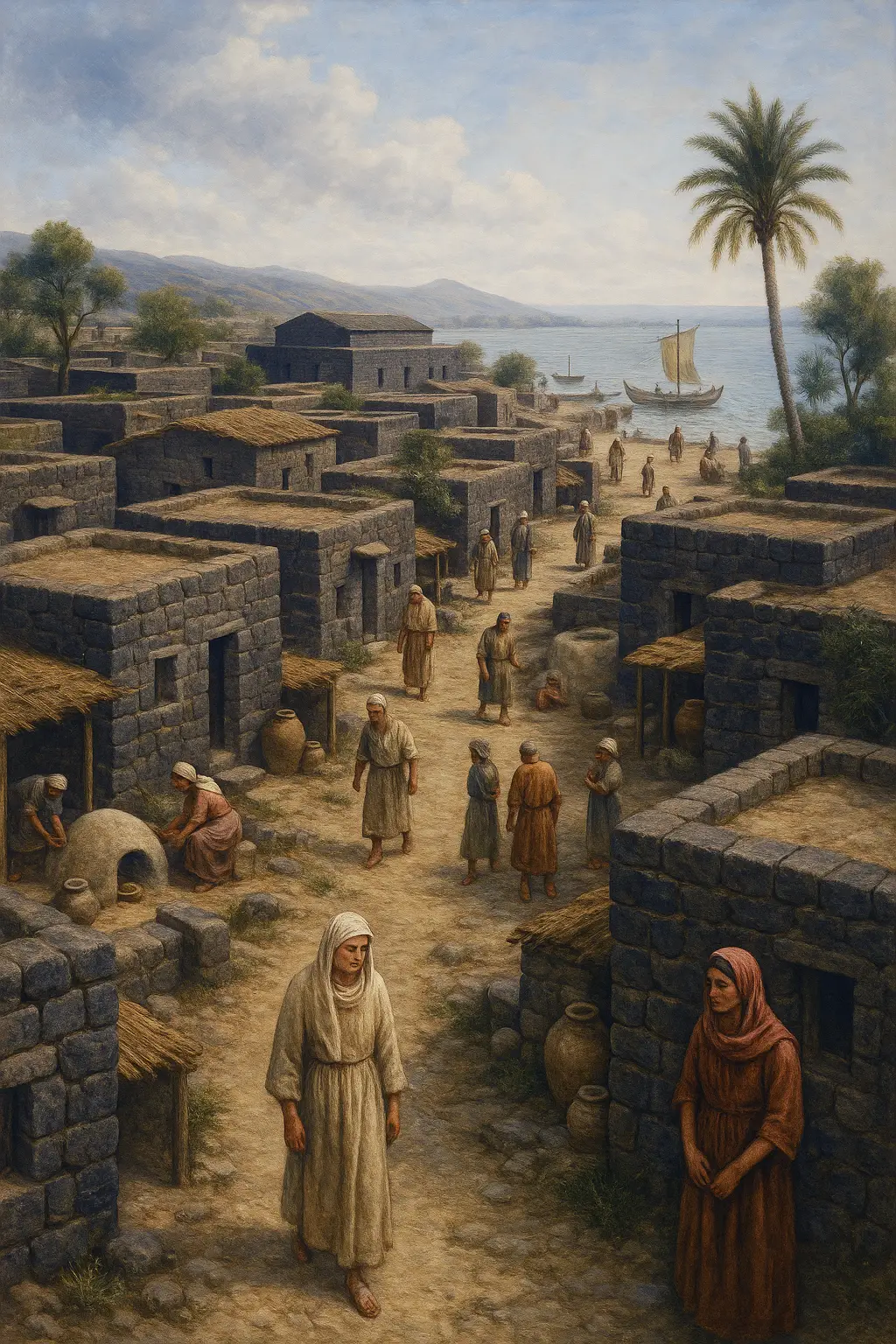
Capernaum was a working-class Jewish village on the northern shore of the Sea of Galilee that served as Jesus’ primary base for ministry, featuring a significant synagogue where He taught and performed miracles amid a community facing spiritual conflict and social challenges.
People, Places, and Things

Capernaum

Looks like you don't have a membership. This contnet is limited to members.

Join the conversation and start understanding the Bible.

People, Places, and Things

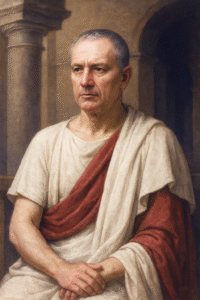
Quirinius (Governor of Syria)

uirinius was the Roman governor of Syria known for conducting a census around AD 6, which plays a significant historical and theological role in Luke’s account of Jesus’ birth, illustrating God’s sovereignty working through Roman political events despite controversies over the timing and historical details.

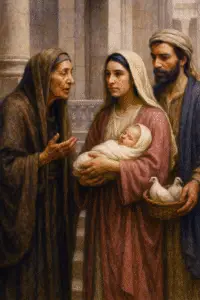
Anna

nna, a devout and elderly prophetess in the Gospel of Luke, faithfully worshiped in the temple and joyfully proclaimed Jesus as the Messiah upon recognizing Him at His presentation.

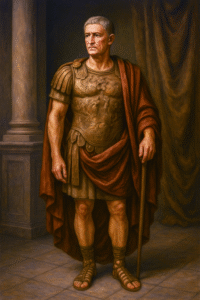
Caesar Augustus

In Luke’s Gospel, Caesar Augustus, Rome’s first emperor and bringer of the Pax Romana, is mentioned in connection with the census that brings Mary and Joseph to Bethlehem, highlighting how the emperor’s decree unknowingly fulfills God’s plan and contrasting Augustus’s claim to peace with the true peace brought by Jesus.

Herod the Great

Herod the Great was the Roman-appointed king of Judea known for his grand building projects and ruthless rule, including the infamous massacre of infants in Bethlehem.

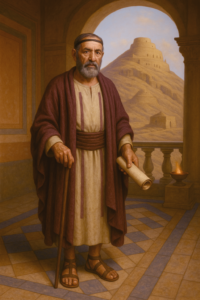
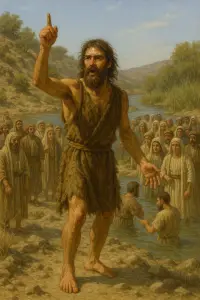
John the Baptist

John the Baptist, emerging from humble origins and the wilderness, ministers a call to repentance and baptism, preparing the way for Jesus and the coming kingdom of God.

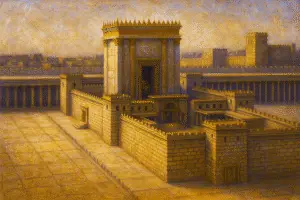
The Temple in Jersualem

The Jerusalem Temple in the first century was the spiritual, cultural, and architectural heart of Jewish life, rebuilt by Herod into a magnificent complex that symbolized God’s presence, united a dispersed people, and ultimately became a focal point of both worship and conflict until its destruction in AD 70.