Caesar Augustus

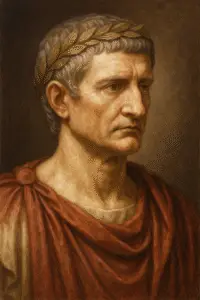
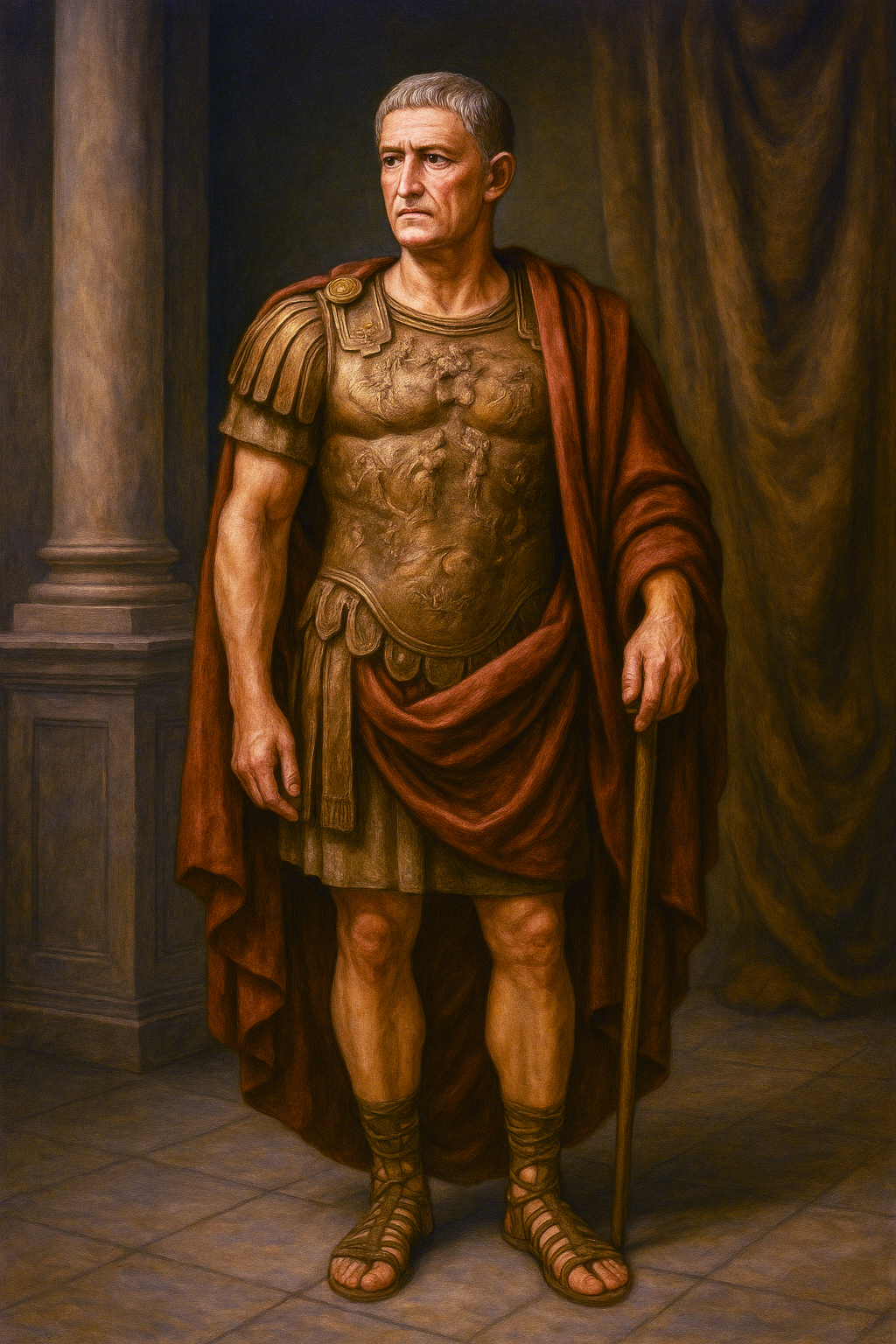
In Luke’s Gospel, Caesar Augustus, Rome’s first emperor and bringer of the Pax Romana, is mentioned in connection with the census that brings Mary and Joseph to Bethlehem, highlighting how the emperor’s decree unknowingly fulfills God’s plan and contrasting Augustus’s claim to peace with the true peace brought by Jesus.
People, Places, and Things

Caesar Augustus

Looks like you don't have a membership. This contnet is limited to members.

Join the conversation and start understanding the Bible.

People, Places, and Things

Herod Antipas

Herod Antipas was the tetrarch of Galilee and Perea in the First Century, known for his political rule under Roman authority, his role in the imprisonment and execution of John the Baptist, and his involvement in the trial of Jesus as recorded in the New Testament.

Herodias

Herodias—granddaughter of Herod the Great, mother of Salome, and later wife of Herod Antipas—used dynastic marriage to pursue rank in the early 1st century AD, provoked John the Baptist’s condemnation and death, and ultimately followed Antipas into exile in AD 39.

Potius Pilate

Pontius Pilate was the Roman prefect governing Judea during Jesus’ ministry, responsible for maintaining order and overseeing Jesus’ trial and crucifixion under Roman authority.

Levi

In Luke’s Gospel, Jesus’ call of Levi the tax collector reveals His radical mission to welcome society’s outcasts, transforming even the most despised into disciples through mercy and table fellowship.

Jerusalem

In the first century, Jerusalem was the religious and cultural heart of Judaism, the political flashpoint of Roman-occupied Judea, and the pivotal stage for events that shaped both Jewish and Christian history.

Houses (Jewish)

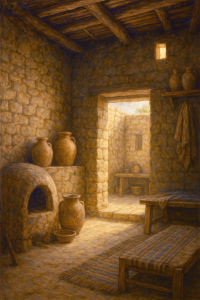
First-century Jewish homes in Galilee were modest, stone-built dwellings centered on family life, purity practices, and hospitality—simple yet deeply woven into the social and spiritual world reflected in the Gospel of Luke.