Mary (Mother of Jesus)

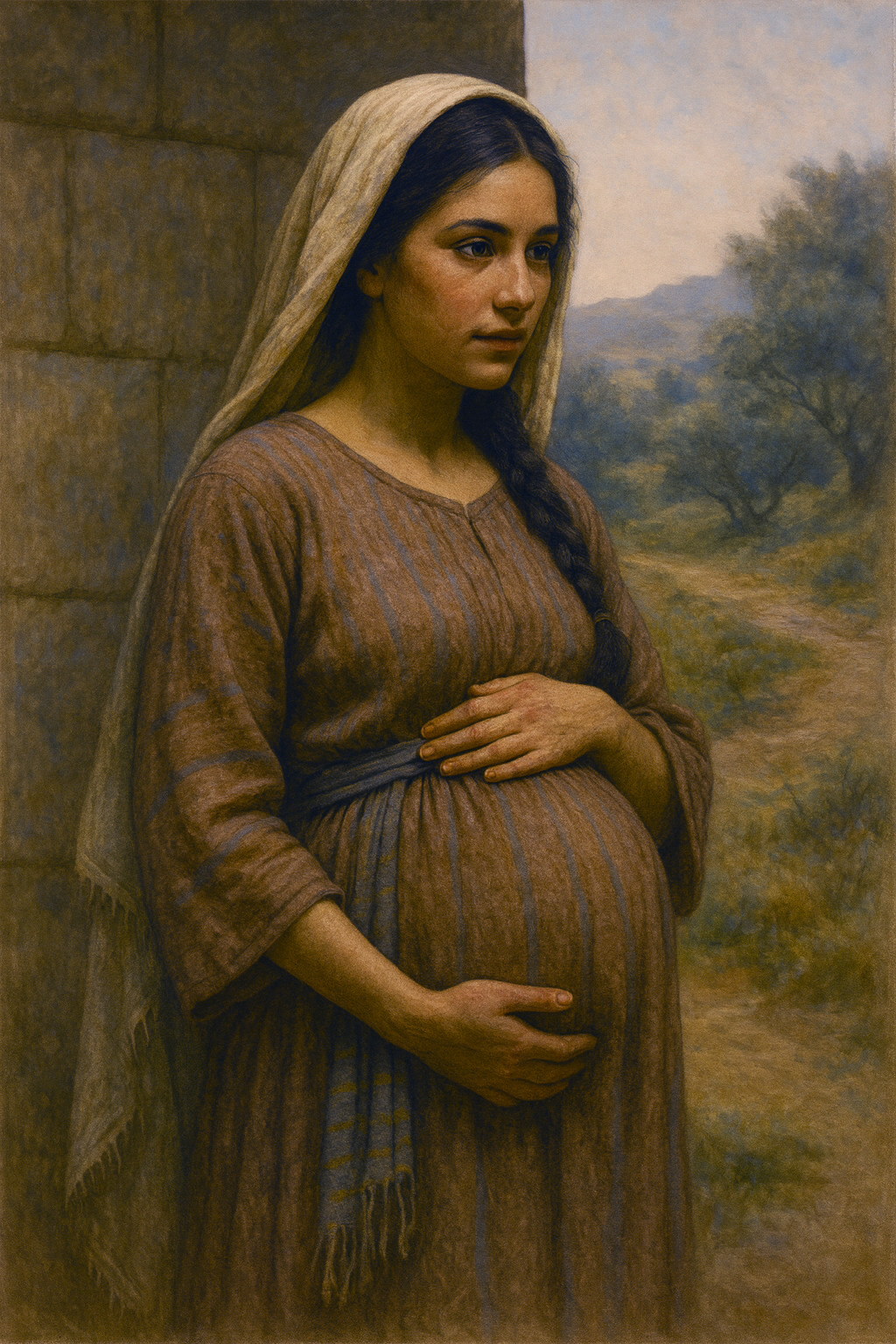
Mary, a humble Jewish woman from Nazareth, was divinely chosen to bear Jesus through the Holy Spirit, embodying faith and obedience within the cultural and religious context of first-century Judaism.

People, Places, and Things

Mary (Mother of Jesus)

Looks like you don't have a membership. This contnet is limited to members.

Join the conversation and start understanding the Bible.

People, Places, and Things

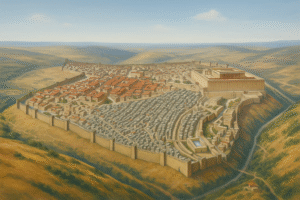
Judea

Judea is the central setting of God’s redemptive story in the Bible, serving as the heart of Jewish worship, prophecy, and history, and the place where key events of Jesus’ life, ministry, death, and resurrection unfolded.

Fishing Boats

Fishing boats in first century Galilee were small, wooden vessels designed for nearshore fishing on the Sea of Galilee, primarily using oars and occasionally sails to support the fishermen’s work with nets.

Tiberius Caesar

Tiberius Caesar was the Roman Emperor during Jesus’ ministry, whose reign provides a historical backdrop for key events in the New Testament, notably referenced in Luke as the time when John the Baptist began his ministry.

The Ceremony of Circumcion

Jewish boys were circumcised on the eighth day as a commanded sign of God’s covenant with Abraham, marking their entry into the covenant community through a sacred ceremony where the child was named and blessed.

Zechariah

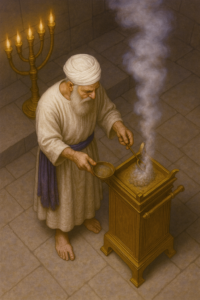
Zechariah, a righteous priest and husband of Elizabeth, is struck mute for doubting the angel’s promise but regains his speech when he faithfully names his son John, proclaiming God’s salvation in the Gospel of Luke.

Quirinius (Governor of Syria)

uirinius was the Roman governor of Syria known for conducting a census around AD 6, which plays a significant historical and theological role in Luke’s account of Jesus’ birth, illustrating God’s sovereignty working through Roman political events despite controversies over the timing and historical details.