Herod the Great

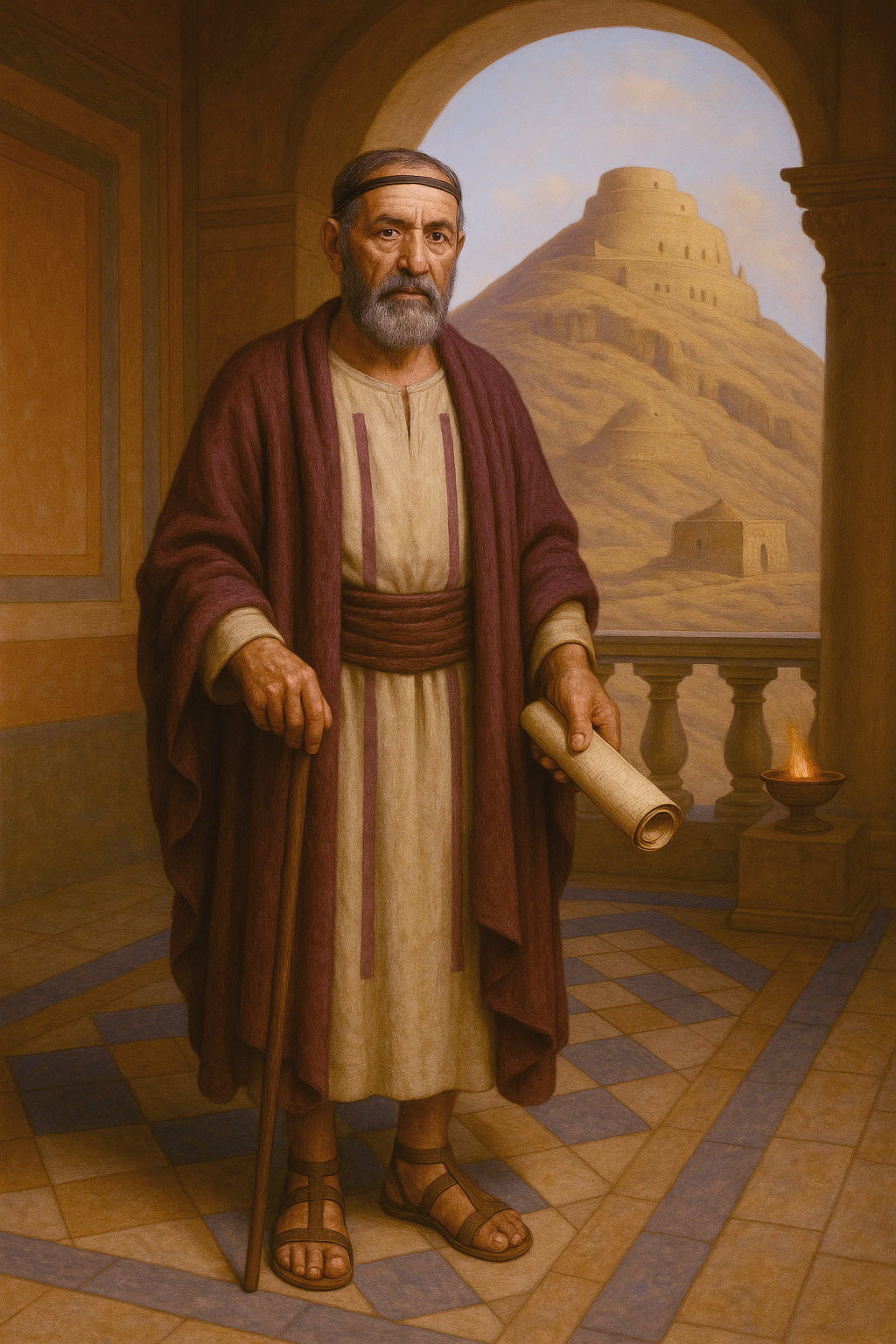
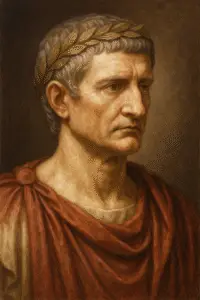
Herod the Great was the Roman-appointed king of Judea known for his grand building projects and ruthless rule, including the infamous massacre of infants in Bethlehem.

People, Places, and Things

Herod the Great

Looks like you don't have a membership. This contnet is limited to members.

Join the conversation and start understanding the Bible.

People, Places, and Things

Caesar Augustus

In Luke’s Gospel, Caesar Augustus, Rome’s first emperor and bringer of the Pax Romana, is mentioned in connection with the census that brings Mary and Joseph to Bethlehem, highlighting how the emperor’s decree unknowingly fulfills God’s plan and contrasting Augustus’s claim to peace with the true peace brought by Jesus.

Lysanias

Lysanias, tetrarch of Abilene in the early 1st century AD, was a minor ruler in the Anti-Lebanon region whose mention in the Gospel of Luke, later confirmed by inscriptions, anchors the gospel narrative firmly within Roman-era history.

Pharisees

The Pharisees in the first century were a respected Jewish religious group known for their strict adherence to the full Hebrew scriptures, oral traditions, belief in resurrection, and influence among the common people, yet they faced criticism from Jesus for elevating human traditions over God’s commandments.

Jerusalem

In the first century, Jerusalem was the religious and cultural heart of Judaism, the political flashpoint of Roman-occupied Judea, and the pivotal stage for events that shaped both Jewish and Christian history.

Elizabeth

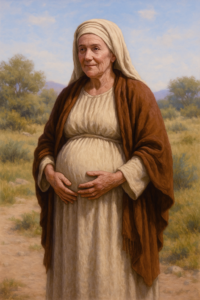
Elizabeth, the righteous and faithful wife of Zechariah, is the mother of John the Baptist, whose miraculous late-in-life pregnancy testifies to God’s power and faithfulness in preparing the way for Jesus.

The Temple in Jersualem

The Jerusalem Temple in the first century was the spiritual, cultural, and architectural heart of Jewish life, rebuilt by Herod into a magnificent complex that symbolized God’s presence, united a dispersed people, and ultimately became a focal point of both worship and conflict until its destruction in AD 70.