The Temple in Jersualem

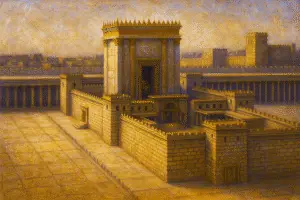
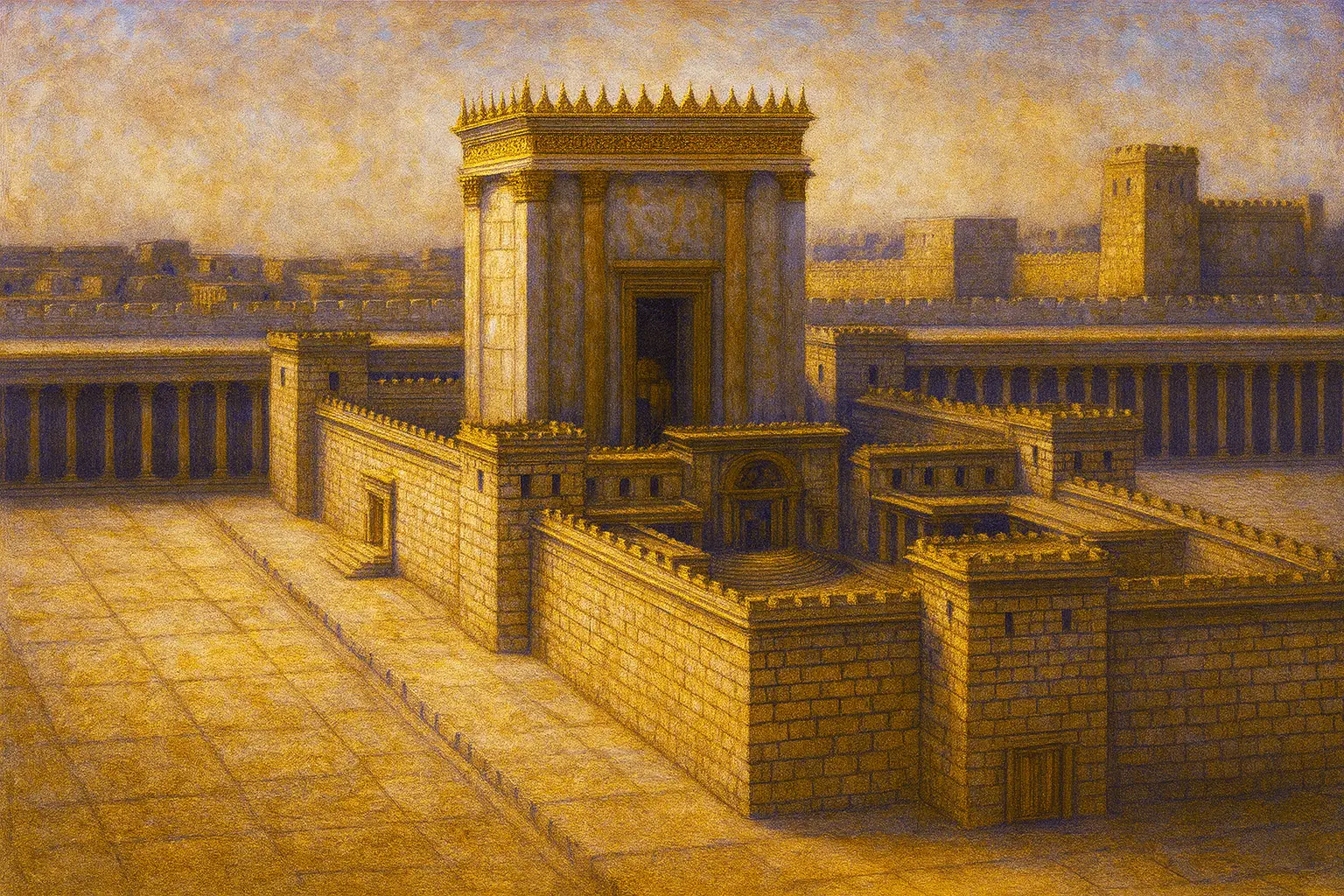
The Jerusalem Temple in the first century was the spiritual, cultural, and architectural heart of Jewish life, rebuilt by Herod into a magnificent complex that symbolized God’s presence, united a dispersed people, and ultimately became a focal point of both worship and conflict until its destruction in AD 70.
People, Places, and Things

The Temple in Jersualem

Looks like you don't have a membership. This contnet is limited to members.

Join the conversation and start understanding the Bible.

People, Places, and Things

Synagogues

A synagogue was a local Jewish community center for worship, Scripture reading, and teaching, playing a vital role in religious and social life during Jesus’ time.

Leprosy

In the Gospel of Luke, leprosy—once a condition demanding priestly examination, isolation, and ritual cleansing under Mosaic law—becomes a powerful sign of Jesus’ authority to restore both body and community, as he touches the unclean, heals them instantly, and fulfills the law’s promise of true purification.

Judean Wilderness

n Luke’s Gospel, the wilderness symbolizes a place of testing and preparation where Jesus, empowered by the Spirit, overcomes temptation and begins his mission to proclaim God’s kingdom, highlighting reliance on God and spiritual authority.

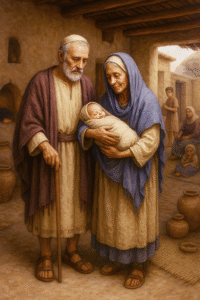
Simeon

Simeon in Luke is a faithful, Spirit-led servant who recognizes Jesus as the promised Messiah, proclaiming salvation and foretelling the challenges to come.

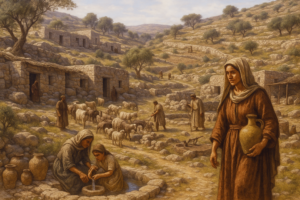
Galilee

Galilee in the first century was a diverse, politically marginal region in northern Israel under Herod Antipas, known for its rural Jewish communities, mixed populations, and as the primary area of Jesus’ ministry emphasizing compassion and inclusion.

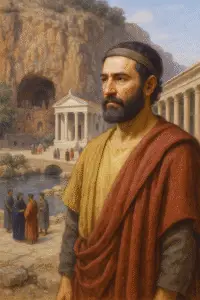
Potius Pilate

Pontius Pilate was the Roman prefect governing Judea during Jesus’ ministry, responsible for maintaining order and overseeing Jesus’ trial and crucifixion under Roman authority.