Tax Collectors

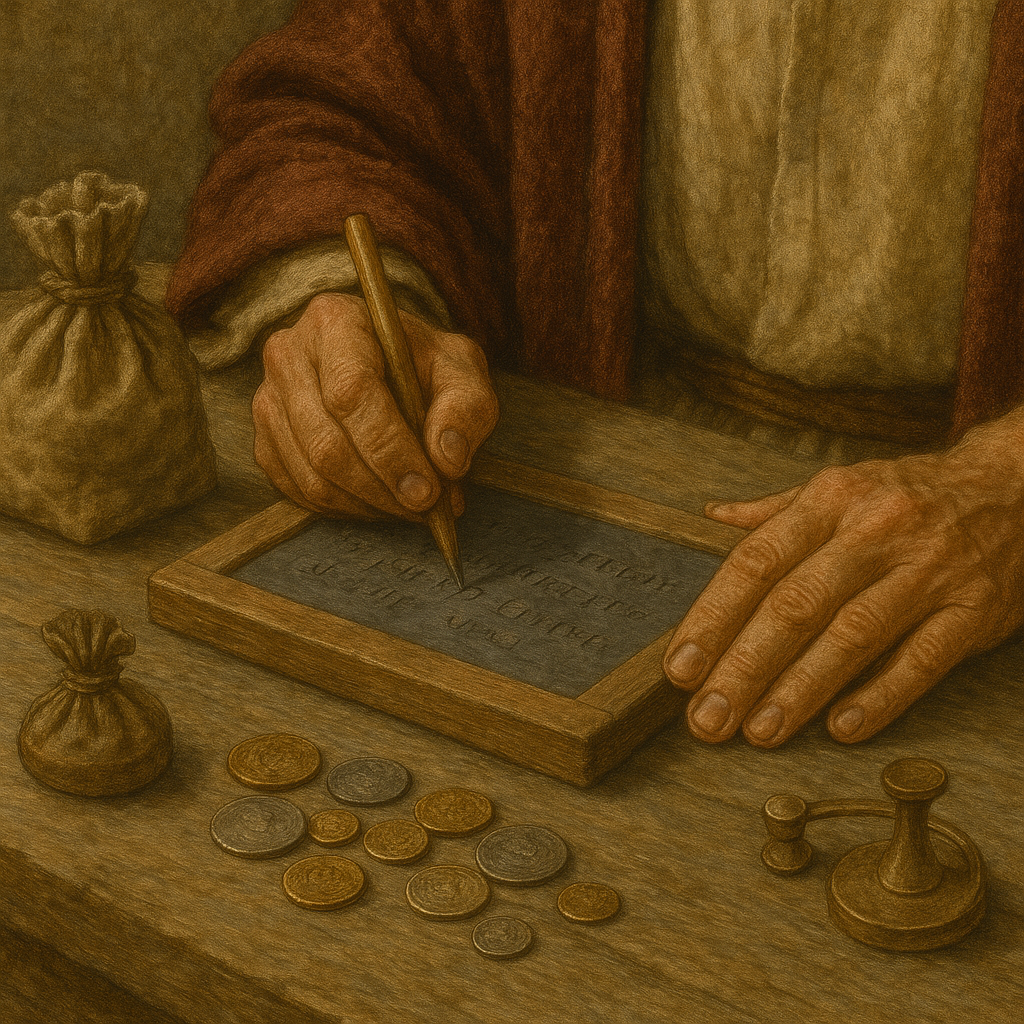
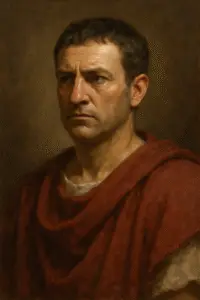
In the first century, tax collectors were despised as corrupt collaborators with Rome, yet in the Gospel story they become powerful symbols of repentance and God’s grace reaching even the most outcast.

People, Places, and Things

Tax Collectors

Looks like you don't have a membership. This contnet is limited to members.

Join the conversation and start understanding the Bible.

People, Places, and Things

Potius Pilate

Pontius Pilate was the Roman prefect governing Judea during Jesus’ ministry, responsible for maintaining order and overseeing Jesus’ trial and crucifixion under Roman authority.

Jordan River

The Jordan River is the Bible’s sacred threshold—where God turns wandering into inheritance and old life into new—from Israel’s crossing under Joshua (c. 13th century BC) to Jesus’s baptism (early 1st century AD).

Herod the Great

Herod the Great was the Roman-appointed king of Judea known for his grand building projects and ruthless rule, including the infamous massacre of infants in Bethlehem.

Quirinius (Governor of Syria)

uirinius was the Roman governor of Syria known for conducting a census around AD 6, which plays a significant historical and theological role in Luke’s account of Jesus’ birth, illustrating God’s sovereignty working through Roman political events despite controversies over the timing and historical details.

Simeon

Simeon in Luke is a faithful, Spirit-led servant who recognizes Jesus as the promised Messiah, proclaiming salvation and foretelling the challenges to come.

Passover

Passover is a key Jewish festival commemorating Israel’s deliverance from Egypt, centered on temple sacrifices and rituals, with Jews from across the region making annual pilgrimages to Jerusalem to observe the feast, which also symbolized hope for future redemption and was faithfully observed by Jesus and His family.