Pharisees

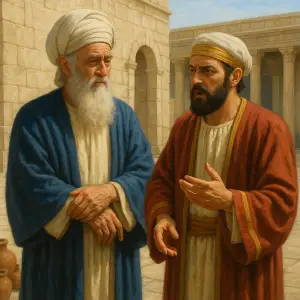
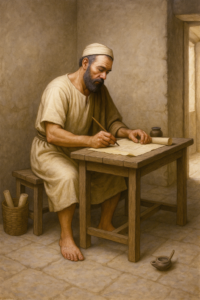
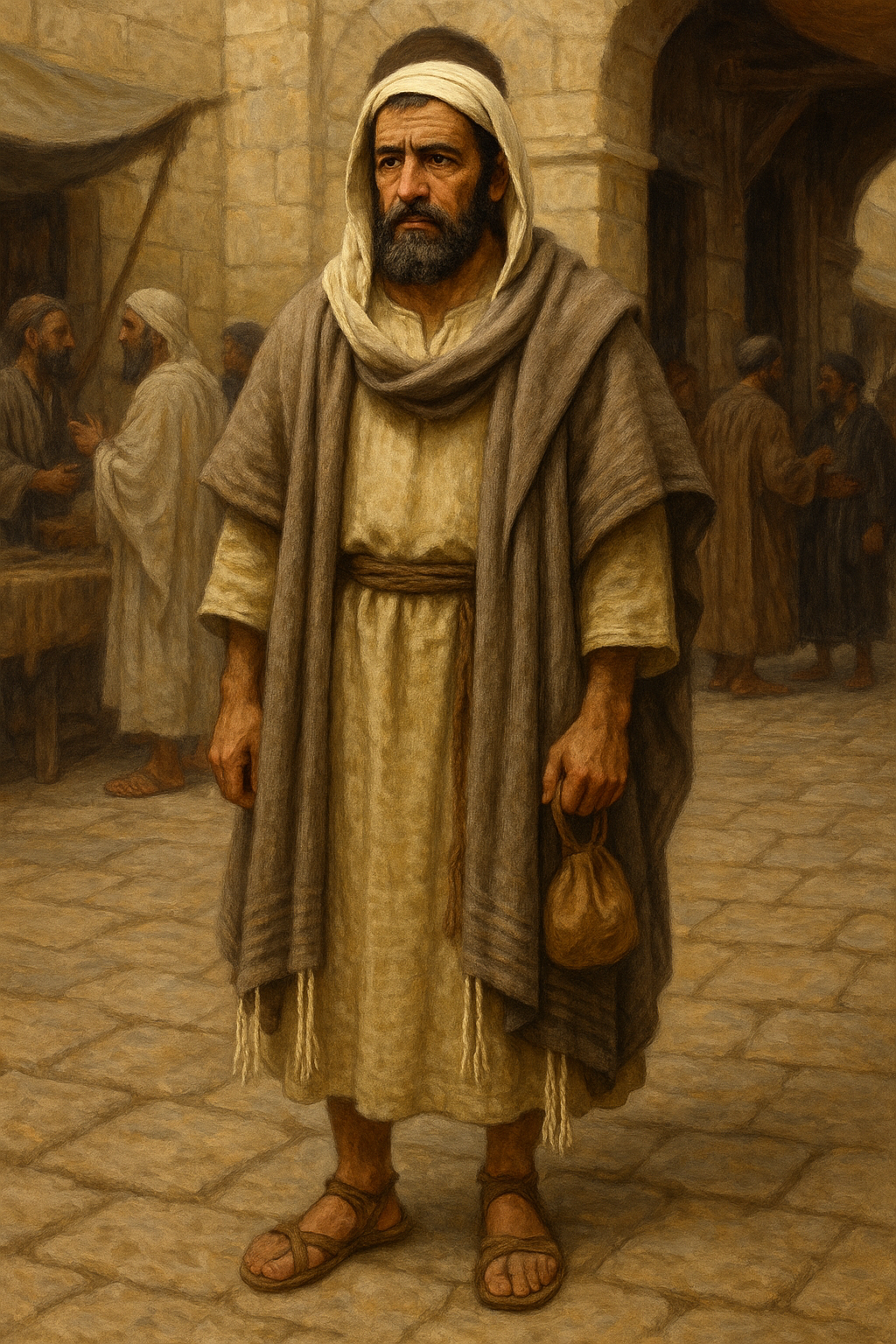
The Pharisees in the first century were a respected Jewish religious group known for their strict adherence to the full Hebrew scriptures, oral traditions, belief in resurrection, and influence among the common people, yet they faced criticism from Jesus for elevating human traditions over God’s commandments.
People, Places, and Things

Pharisees

Looks like you don't have a membership. This contnet is limited to members.

Join the conversation and start understanding the Bible.

People, Places, and Things

Judean Wilderness

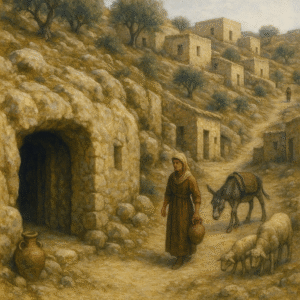
n Luke’s Gospel, the wilderness symbolizes a place of testing and preparation where Jesus, empowered by the Spirit, overcomes temptation and begins his mission to proclaim God’s kingdom, highlighting reliance on God and spiritual authority.

Herod Antipas

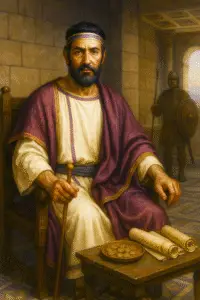
Herod Antipas was the tetrarch of Galilee and Perea in the First Century, known for his political rule under Roman authority, his role in the imprisonment and execution of John the Baptist, and his involvement in the trial of Jesus as recorded in the New Testament.

The Sacrifice of Incense

The sacrifice of incense was a daily temple ritual where priests burned a holy blend of spices on the altar of incense, symbolizing the prayers of the people rising to God.

Days of Perification

In Luke 2, the days of purification reflect the First Century Jewish law requiring a mother’s ritual purification and the presentation of the firstborn male at the temple, demonstrating faithful observance of Mosaic customs.

Scribes

In the first century, Jewish scribes were respected experts in the Law whose devotion to Scripture preserved Israel’s faith, yet in Luke’s Gospel they often clash with Jesus, revealing the tension between knowing the Law and recognizing the One who fulfills it.

Quirinius (Governor of Syria)

uirinius was the Roman governor of Syria known for conducting a census around AD 6, which plays a significant historical and theological role in Luke’s account of Jesus’ birth, illustrating God’s sovereignty working through Roman political events despite controversies over the timing and historical details.