Annas and Caiaphas

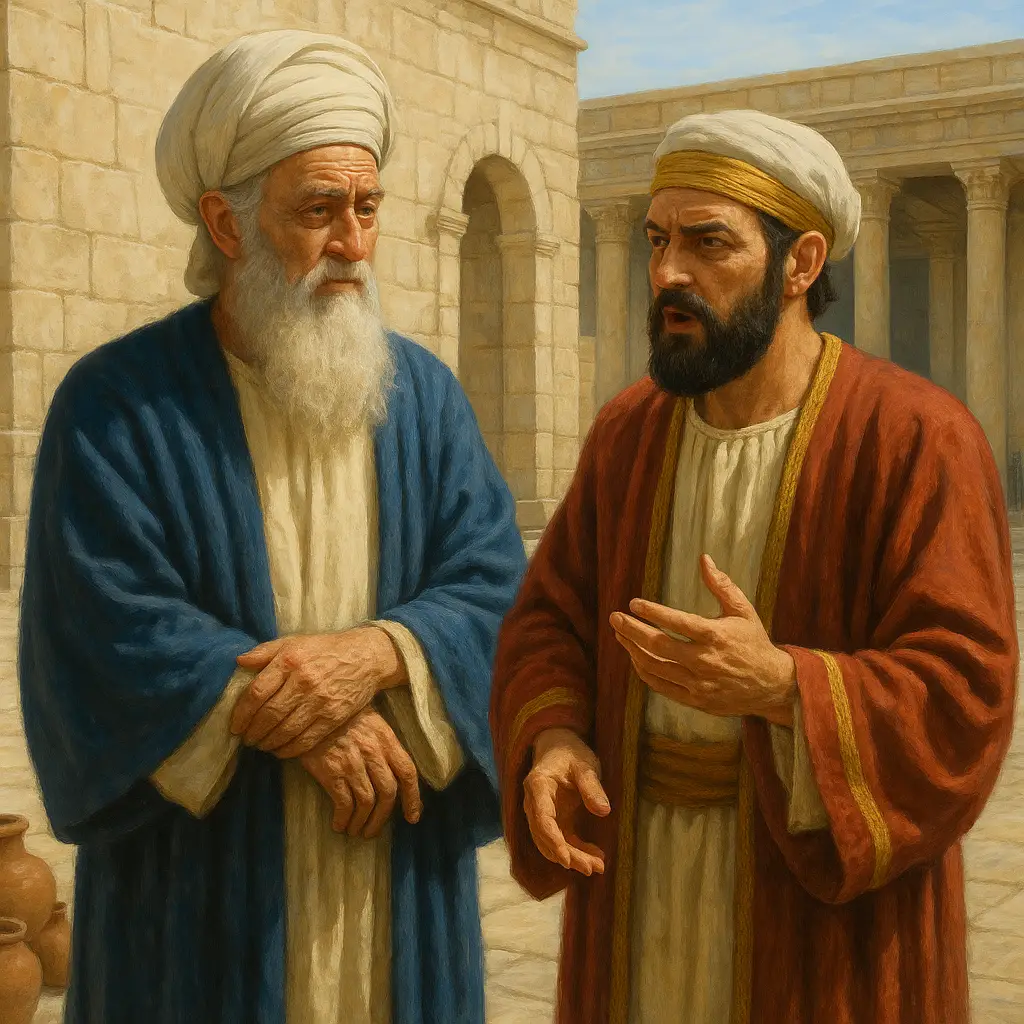
Annas and Caiaphas, a powerful father-in-law and son-in-law duo who dominated the high priesthood in first-century Judea, embody how Rome’s occupation turned a sacred office into a tool of political control, with their influence culminating in the trial and crucifixion of Jesus.
People, Places, and Things

Annas and Caiaphas

Looks like you don't have a membership. This contnet is limited to members.

Join the conversation and start understanding the Bible.

People, Places, and Things

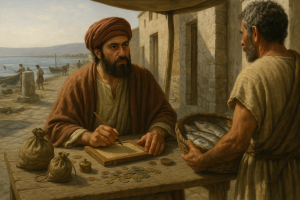
Tax Collectors

In the first century, tax collectors were despised as corrupt collaborators with Rome, yet in the Gospel story they become powerful symbols of repentance and God’s grace reaching even the most outcast.

Caesar Augustus

In Luke’s Gospel, Caesar Augustus, Rome’s first emperor and bringer of the Pax Romana, is mentioned in connection with the census that brings Mary and Joseph to Bethlehem, highlighting how the emperor’s decree unknowingly fulfills God’s plan and contrasting Augustus’s claim to peace with the true peace brought by Jesus.

Scribes

In the first century, Jewish scribes were respected experts in the Law whose devotion to Scripture preserved Israel’s faith, yet in Luke’s Gospel they often clash with Jesus, revealing the tension between knowing the Law and recognizing the One who fulfills it.

Levi

In Luke’s Gospel, Jesus’ call of Levi the tax collector reveals His radical mission to welcome society’s outcasts, transforming even the most despised into disciples through mercy and table fellowship.

Tiberius Caesar

Tiberius Caesar was the Roman Emperor during Jesus’ ministry, whose reign provides a historical backdrop for key events in the New Testament, notably referenced in Luke as the time when John the Baptist began his ministry.

Herod the Great

Herod the Great was the Roman-appointed king of Judea known for his grand building projects and ruthless rule, including the infamous massacre of infants in Bethlehem.