The Ceremony of Circumcion

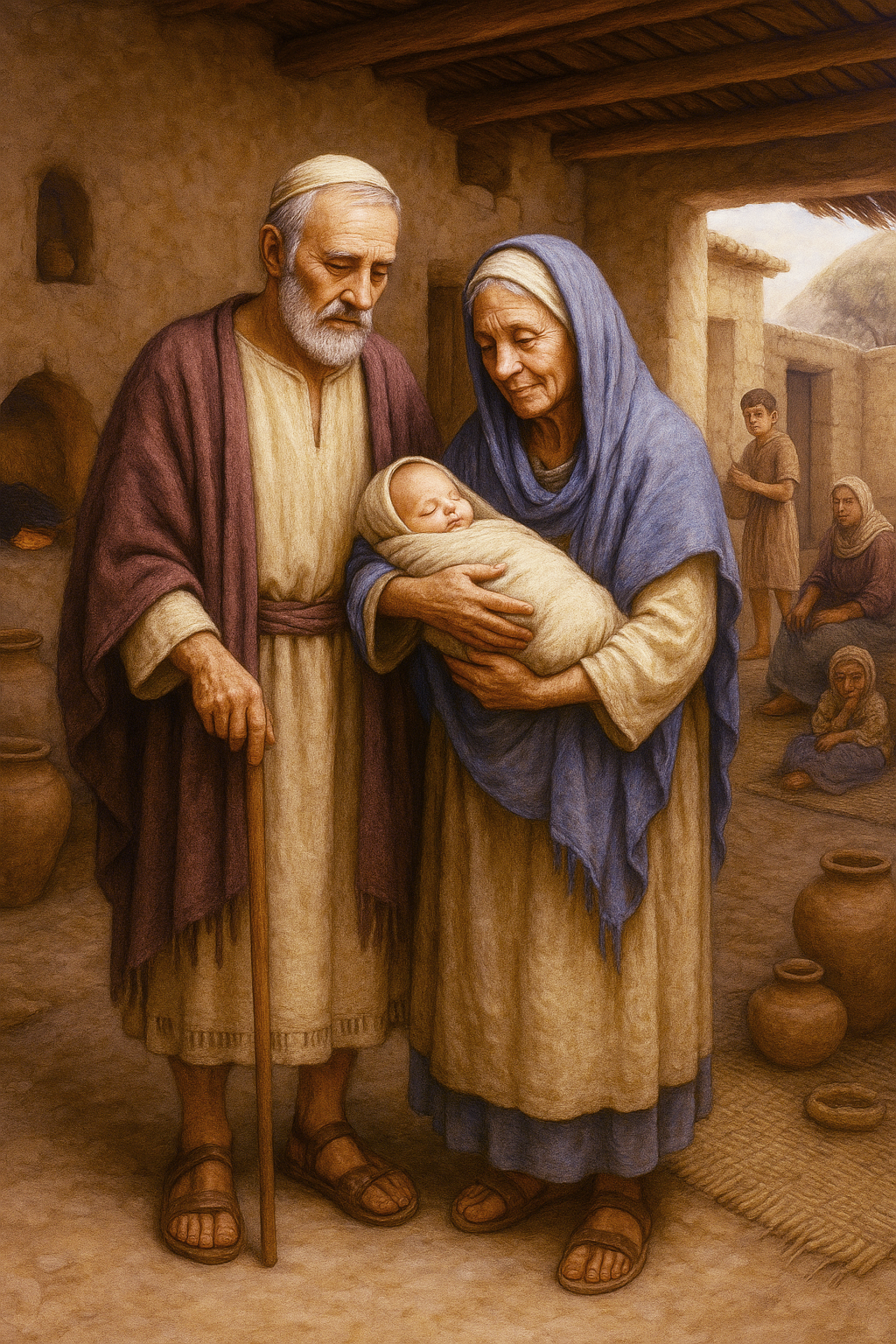
Jewish boys were circumcised on the eighth day as a commanded sign of God’s covenant with Abraham, marking their entry into the covenant community through a sacred ceremony where the child was named and blessed.

People, Places, and Things

The Ceremony of Circumcion

Looks like you don't have a membership. This contnet is limited to members.

Join the conversation and start understanding the Bible.

People, Places, and Things

Herod the Great

Herod the Great was the Roman-appointed king of Judea known for his grand building projects and ruthless rule, including the infamous massacre of infants in Bethlehem.

Leprosy

In the Gospel of Luke, leprosy—once a condition demanding priestly examination, isolation, and ritual cleansing under Mosaic law—becomes a powerful sign of Jesus’ authority to restore both body and community, as he touches the unclean, heals them instantly, and fulfills the law’s promise of true purification.

Judea

Judea is the central setting of God’s redemptive story in the Bible, serving as the heart of Jewish worship, prophecy, and history, and the place where key events of Jesus’ life, ministry, death, and resurrection unfolded.

Nazareth

Nazareth in the first century was a small, humble village in Galilee known as the hometown of Jesus, where he was raised and began his public ministry.

Caesar Augustus

In Luke’s Gospel, Caesar Augustus, Rome’s first emperor and bringer of the Pax Romana, is mentioned in connection with the census that brings Mary and Joseph to Bethlehem, highlighting how the emperor’s decree unknowingly fulfills God’s plan and contrasting Augustus’s claim to peace with the true peace brought by Jesus.

Theophilus

Theophilus, likely a wealthy patron or high-ranking believer, is the person to whom Luke dedicates his Gospel and Acts, addressing him as “most excellent” and aiming to provide a well-ordered account to strengthen his faith.