Jordan River

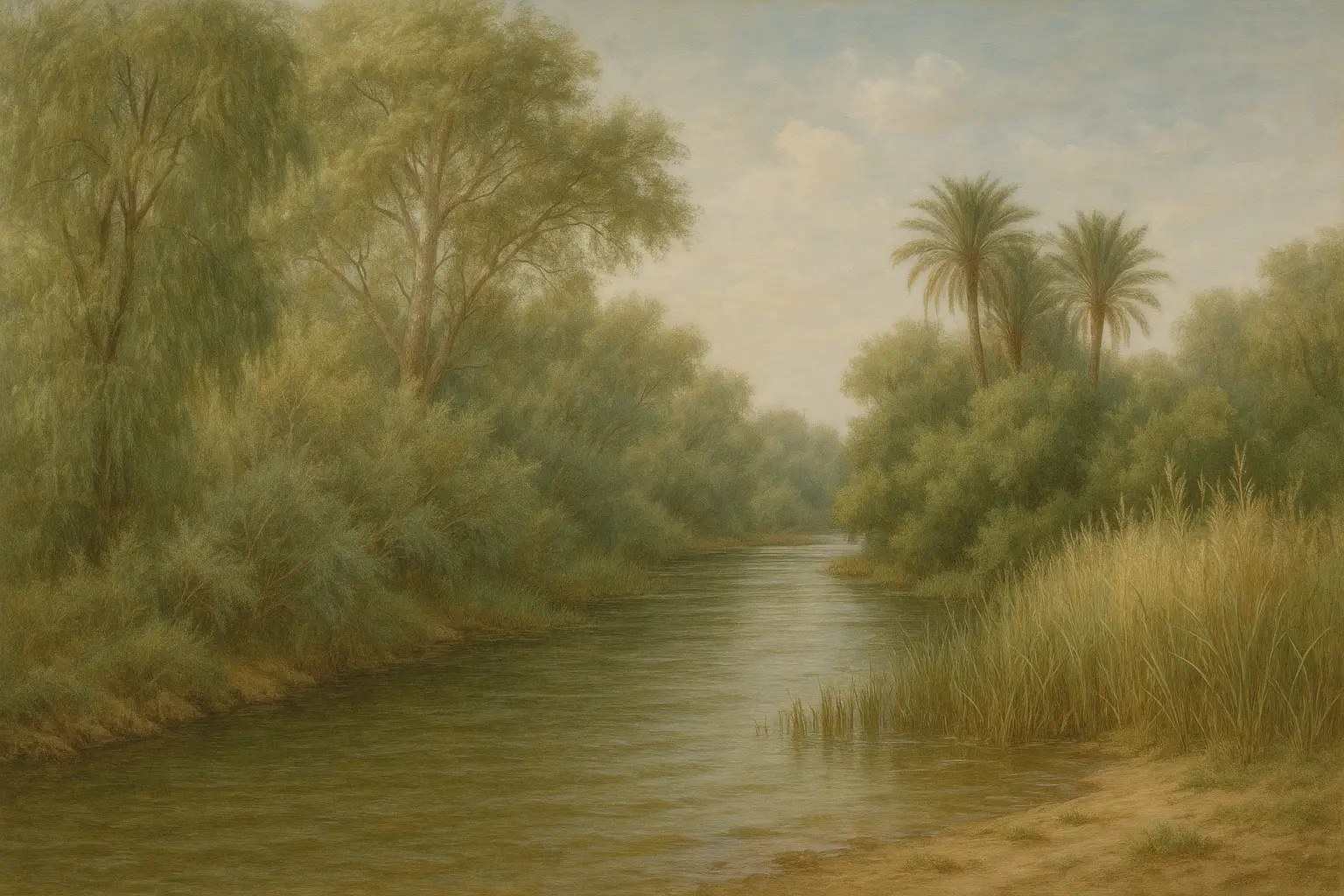
The Jordan River is the Bible’s sacred threshold—where God turns wandering into inheritance and old life into new—from Israel’s crossing under Joshua (c. 13th century BC) to Jesus’s baptism (early 1st century AD).

People, Places, and Things

Jordan River

Looks like you don't have a membership. This contnet is limited to members.

Join the conversation and start understanding the Bible.

People, Places, and Things

Quirinius (Governor of Syria)

uirinius was the Roman governor of Syria known for conducting a census around AD 6, which plays a significant historical and theological role in Luke’s account of Jesus’ birth, illustrating God’s sovereignty working through Roman political events despite controversies over the timing and historical details.

Mary (Mother of Jesus)

Mary, a humble Jewish woman from Nazareth, was divinely chosen to bear Jesus through the Holy Spirit, embodying faith and obedience within the cultural and religious context of first-century Judaism.

Elizabeth

Elizabeth, the righteous and faithful wife of Zechariah, is the mother of John the Baptist, whose miraculous late-in-life pregnancy testifies to God’s power and faithfulness in preparing the way for Jesus.

Tax Collectors

In the first century, tax collectors were despised as corrupt collaborators with Rome, yet in the Gospel story they become powerful symbols of repentance and God’s grace reaching even the most outcast.

Lysanias

Lysanias, tetrarch of Abilene in the early 1st century AD, was a minor ruler in the Anti-Lebanon region whose mention in the Gospel of Luke, later confirmed by inscriptions, anchors the gospel narrative firmly within Roman-era history.

Herod Antipas

Herod Antipas was the tetrarch of Galilee and Perea in the First Century, known for his political rule under Roman authority, his role in the imprisonment and execution of John the Baptist, and his involvement in the trial of Jesus as recorded in the New Testament.