John the Baptist

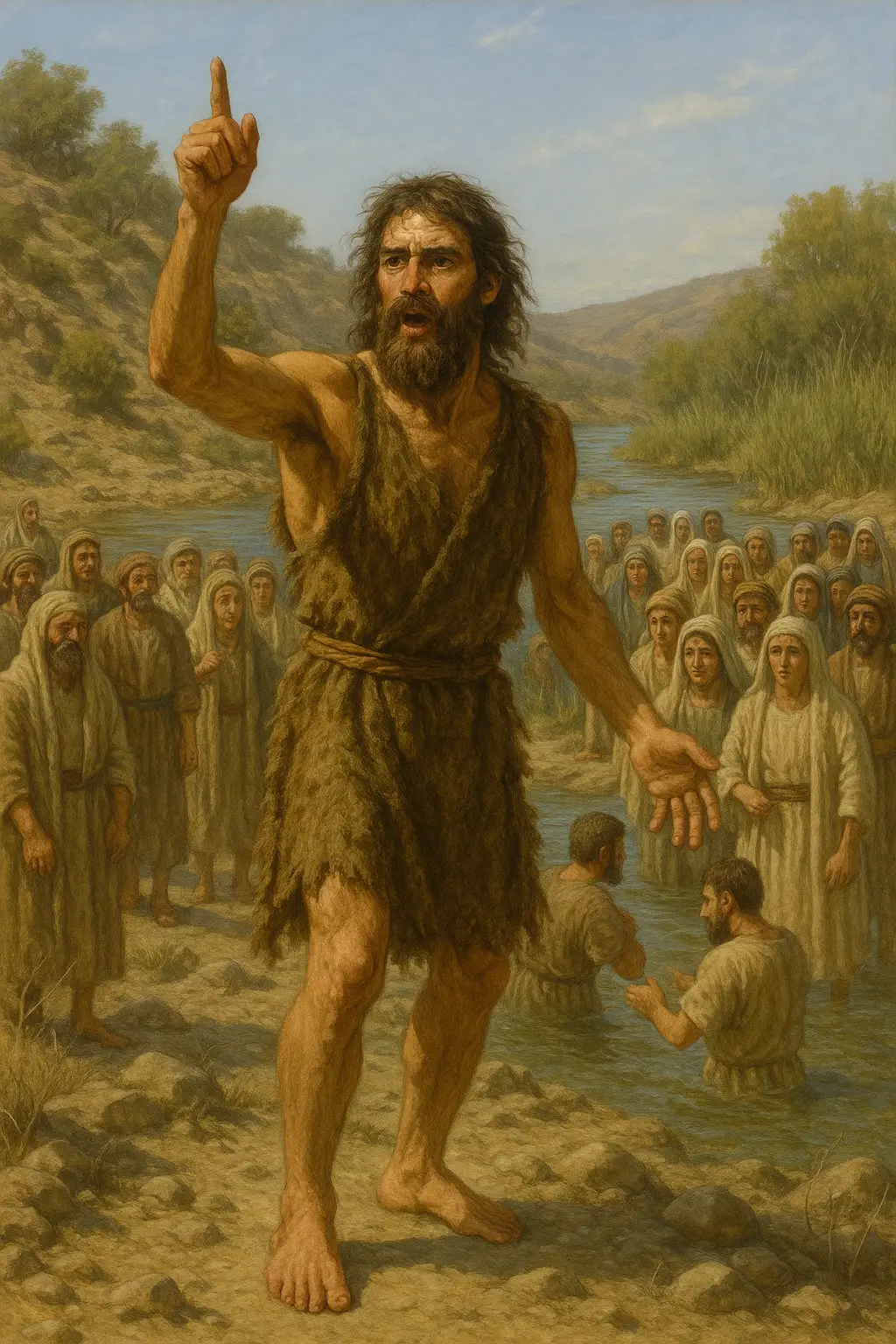
John the Baptist, emerging from humble origins and the wilderness, ministers a call to repentance and baptism, preparing the way for Jesus and the coming kingdom of God.

People, Places, and Things

John the Baptist

Looks like you don't have a membership. This contnet is limited to members.

Join the conversation and start understanding the Bible.

People, Places, and Things

Lysanias

Lysanias, tetrarch of Abilene in the early 1st century AD, was a minor ruler in the Anti-Lebanon region whose mention in the Gospel of Luke, later confirmed by inscriptions, anchors the gospel narrative firmly within Roman-era history.

Tax Collectors

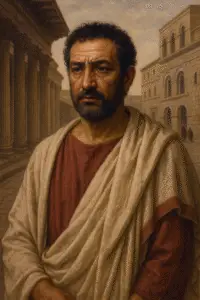
In the first century, tax collectors were despised as corrupt collaborators with Rome, yet in the Gospel story they become powerful symbols of repentance and God’s grace reaching even the most outcast.

Leprosy

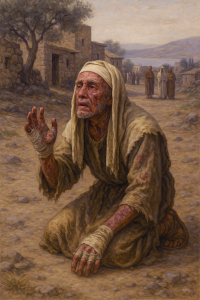
In the Gospel of Luke, leprosy—once a condition demanding priestly examination, isolation, and ritual cleansing under Mosaic law—becomes a powerful sign of Jesus’ authority to restore both body and community, as he touches the unclean, heals them instantly, and fulfills the law’s promise of true purification.

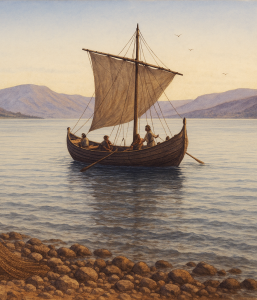
Fishing Boats

Fishing boats in first century Galilee were small, wooden vessels designed for nearshore fishing on the Sea of Galilee, primarily using oars and occasionally sails to support the fishermen’s work with nets.

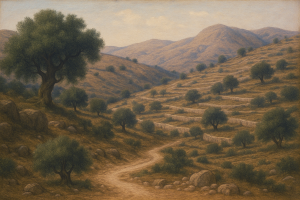
Judea

Judea is the central setting of God’s redemptive story in the Bible, serving as the heart of Jewish worship, prophecy, and history, and the place where key events of Jesus’ life, ministry, death, and resurrection unfolded.

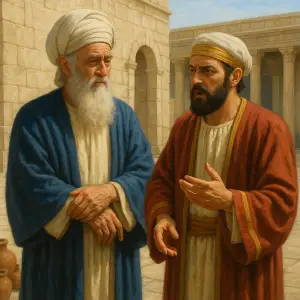
Annas and Caiaphas

Annas and Caiaphas, a powerful father-in-law and son-in-law duo who dominated the high priesthood in first-century Judea, embody how Rome’s occupation turned a sacred office into a tool of political control, with their influence culminating in the trial and crucifixion of Jesus.