Quirinius (Governor of Syria)

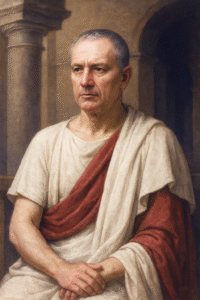
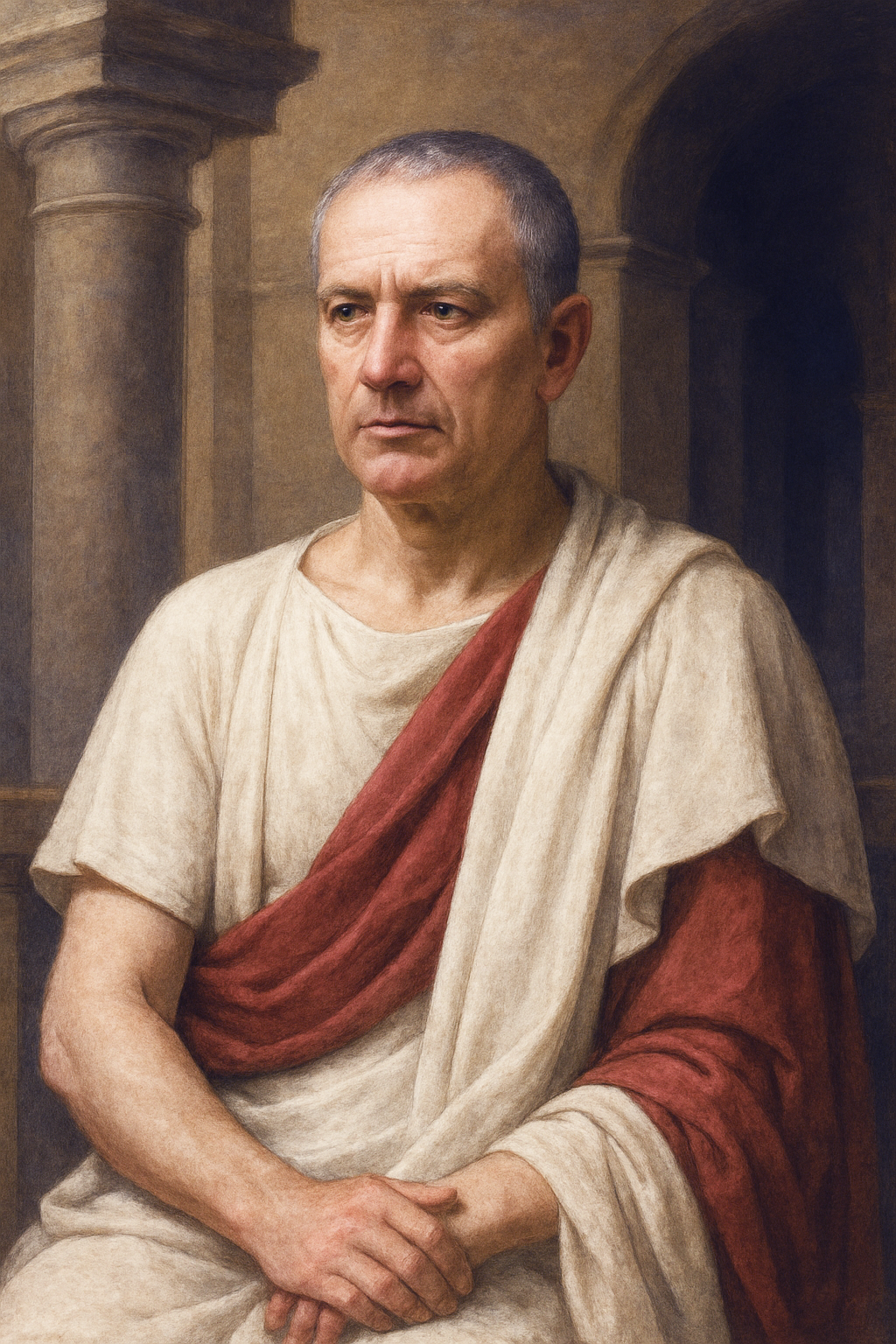
uirinius was the Roman governor of Syria known for conducting a census around AD 6, which plays a significant historical and theological role in Luke’s account of Jesus’ birth, illustrating God’s sovereignty working through Roman political events despite controversies over the timing and historical details.
People, Places, and Things

Quirinius (Governor of Syria)

Looks like you don't have a membership. This contnet is limited to members.

Join the conversation and start understanding the Bible.

People, Places, and Things

Bethlehem

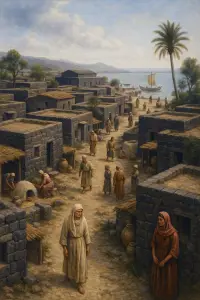
Bethlehem in the first century was a small, humble town in Judea known as the city of David, historically and prophetically significant as the prophesied birthplace of the Messiah, which Luke highlights to show Jesus’ fulfillment of Old Testament promises through His birth in this modest setting.

Gabriel

Gabriel in Luke 1 is the angelic messenger who stands in God’s presence, sent by God to announce and fulfill the divine plan of salvation through the births of John the Baptist and Jesus Christ.

Anna

nna, a devout and elderly prophetess in the Gospel of Luke, faithfully worshiped in the temple and joyfully proclaimed Jesus as the Messiah upon recognizing Him at His presentation.

Judean Wilderness

n Luke’s Gospel, the wilderness symbolizes a place of testing and preparation where Jesus, empowered by the Spirit, overcomes temptation and begins his mission to proclaim God’s kingdom, highlighting reliance on God and spiritual authority.

Jordan River

The Jordan River is the Bible’s sacred threshold—where God turns wandering into inheritance and old life into new—from Israel’s crossing under Joshua (c. 13th century BC) to Jesus’s baptism (early 1st century AD).

Herodias

Herodias—granddaughter of Herod the Great, mother of Salome, and later wife of Herod Antipas—used dynastic marriage to pursue rank in the early 1st century AD, provoked John the Baptist’s condemnation and death, and ultimately followed Antipas into exile in AD 39.