Judean Wilderness

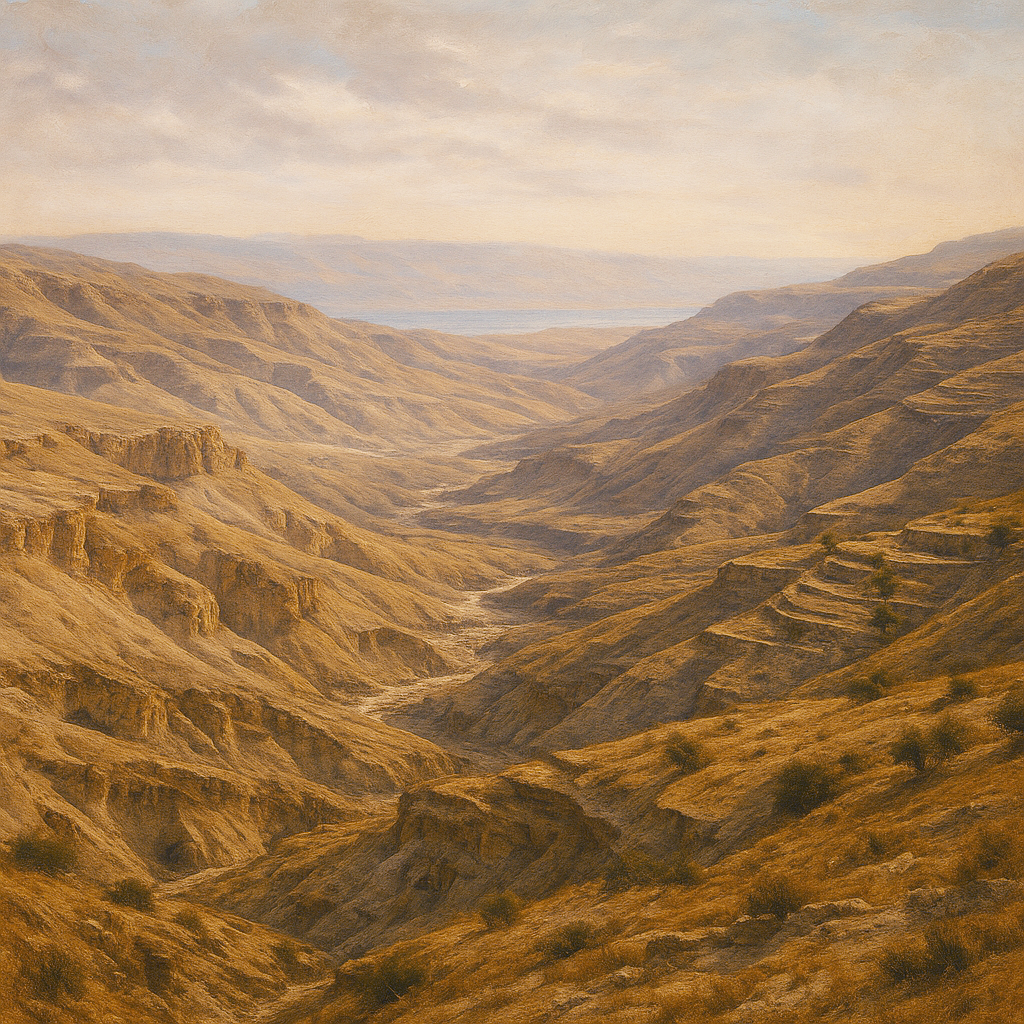
n Luke’s Gospel, the wilderness symbolizes a place of testing and preparation where Jesus, empowered by the Spirit, overcomes temptation and begins his mission to proclaim God’s kingdom, highlighting reliance on God and spiritual authority.

People, Places, and Things

Judean Wilderness

Looks like you don't have a membership. This contnet is limited to members.

Join the conversation and start understanding the Bible.

People, Places, and Things

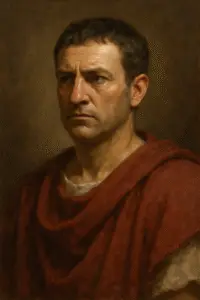
Herod Antipas

Herod Antipas was the tetrarch of Galilee and Perea in the First Century, known for his political rule under Roman authority, his role in the imprisonment and execution of John the Baptist, and his involvement in the trial of Jesus as recorded in the New Testament.

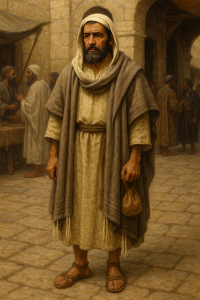
Joseph (Father of Jesus)

Joseph was righteous man from the house of David who traveled to Bethlehem with Mary, his pledged wife, and took care of Jesus as his earthly father after Jesus’ birth.

Elizabeth

Elizabeth, the righteous and faithful wife of Zechariah, is the mother of John the Baptist, whose miraculous late-in-life pregnancy testifies to God’s power and faithfulness in preparing the way for Jesus.

Galilee

Galilee in the first century was a diverse, politically marginal region in northern Israel under Herod Antipas, known for its rural Jewish communities, mixed populations, and as the primary area of Jesus’ ministry emphasizing compassion and inclusion.

Days of Perification

In Luke 2, the days of purification reflect the First Century Jewish law requiring a mother’s ritual purification and the presentation of the firstborn male at the temple, demonstrating faithful observance of Mosaic customs.

The Lake of Gennesaret

In the first century AD, the Lake of Gennesaret—also known as the Sea of Galilee—was a fertile, storm-prone freshwater lake that served as the economic and spiritual heart of Galilee, supporting thriving fishing towns like Capernaum and providing the setting for many key events in Jesus’ ministry.