Levi

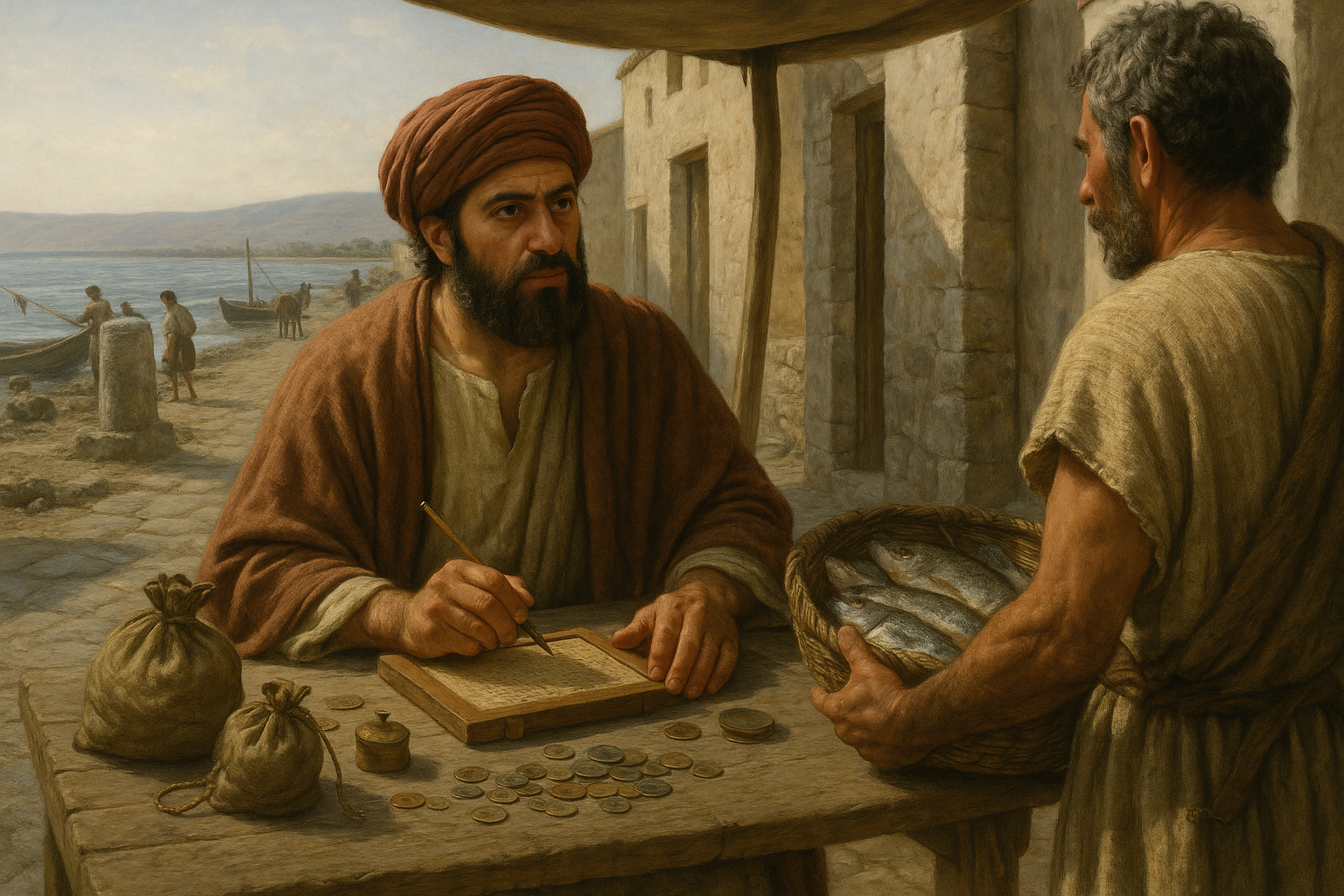
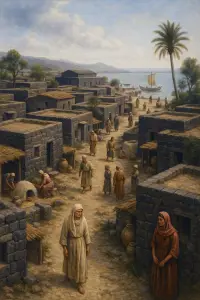
In Luke’s Gospel, Jesus’ call of Levi the tax collector reveals His radical mission to welcome society’s outcasts, transforming even the most despised into disciples through mercy and table fellowship.

People, Places, and Things

Levi

Looks like you don't have a membership. This contnet is limited to members.

Join the conversation and start understanding the Bible.

People, Places, and Things

Herod Antipas

Herod Antipas was the tetrarch of Galilee and Perea in the First Century, known for his political rule under Roman authority, his role in the imprisonment and execution of John the Baptist, and his involvement in the trial of Jesus as recorded in the New Testament.

Jordan River

The Jordan River is the Bible’s sacred threshold—where God turns wandering into inheritance and old life into new—from Israel’s crossing under Joshua (c. 13th century BC) to Jesus’s baptism (early 1st century AD).

Herod Philip

Herod Philip the Tetrarch (4 BC–AD 34), son of Herod the Great, ruled peacefully over Ituraea and Trachonitis, is mentioned in the Gospel of Luke for historical context, and must be distinguished from his half-brother Philip I, the first husband of Herodias and father of Salome.

Pharisees

The Pharisees in the first century were a respected Jewish religious group known for their strict adherence to the full Hebrew scriptures, oral traditions, belief in resurrection, and influence among the common people, yet they faced criticism from Jesus for elevating human traditions over God’s commandments.

Herod the Great

Herod the Great was the Roman-appointed king of Judea known for his grand building projects and ruthless rule, including the infamous massacre of infants in Bethlehem.

Days of Perification

In Luke 2, the days of purification reflect the First Century Jewish law requiring a mother’s ritual purification and the presentation of the firstborn male at the temple, demonstrating faithful observance of Mosaic customs.